Ancient citadels, sacred valleys, and landscapes that have shaped this country for centuries — discover the places first, then choose the journey that takes you there.
Showing 23 of 23 sites
Cities of Memory
Landscapes of Legacy
Life Beyond the Road
Herat
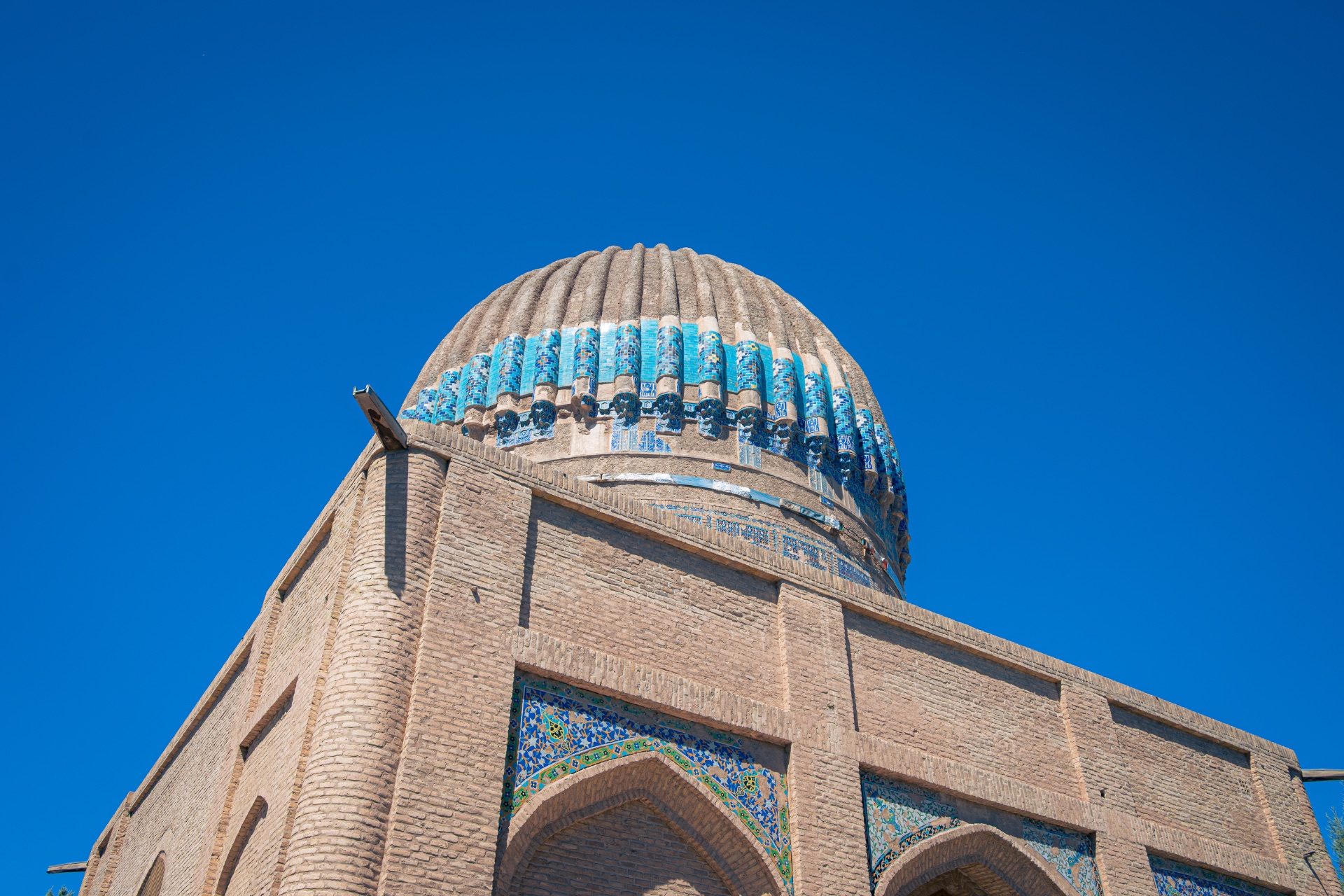
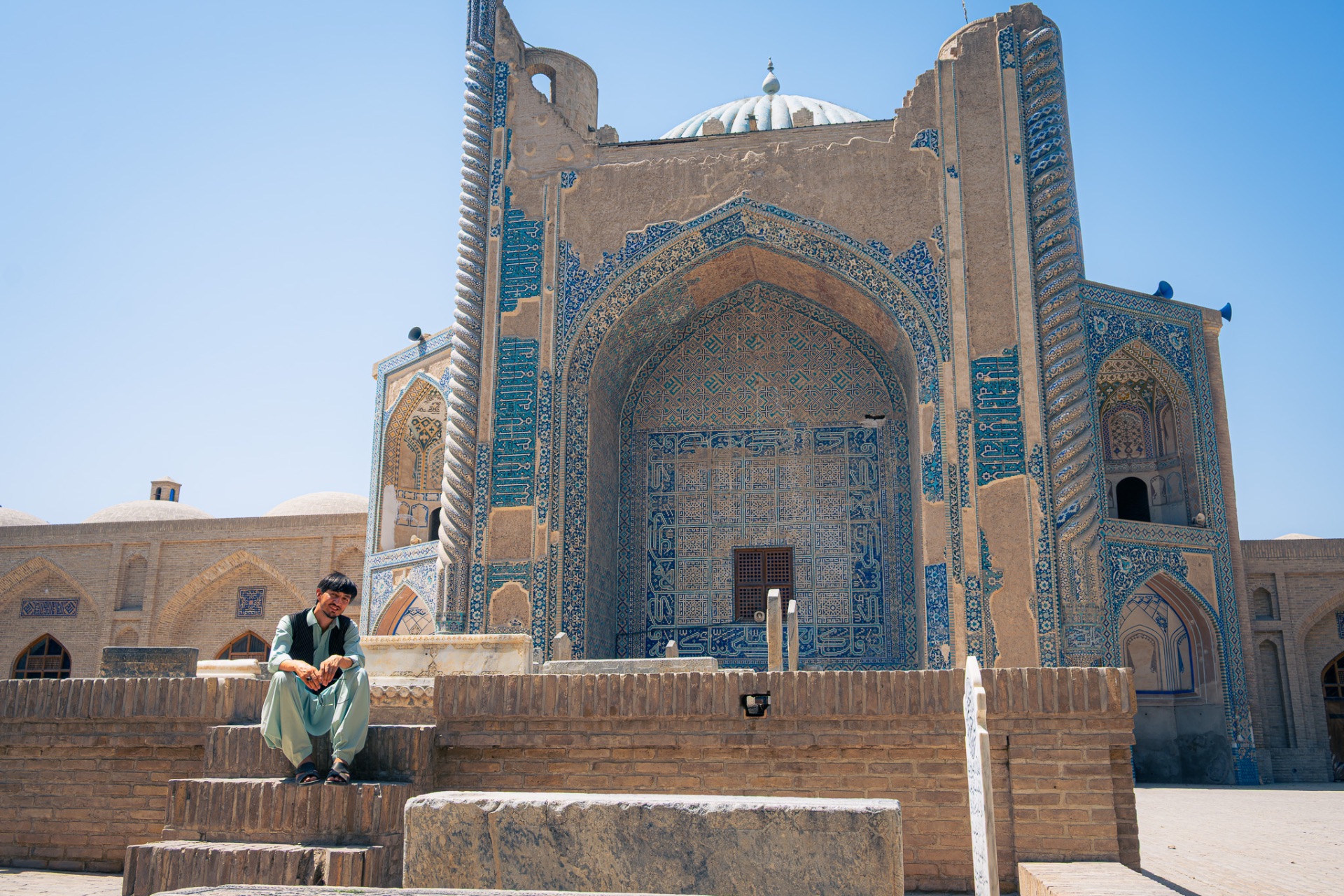
Some rulers leave their names in chronicles. Gowhar Shad left hers in cities. In fifteenth-century Herat, at the height of the Timurid age, she stood close to the centre of one of the most powerful courts of her time. Yet her legacy was not built through politics alone. Gowhar Shad understood that power could also be expressed through architecture, learning, poetry and beauty. Under her patronage, architects, craftsmen and scholars helped transform Herat into one of the great cultural centres of the Islamic world. Today, much of the monumental world she created has disappeared. But beneath the turquoise dome of her mausoleum, something of it remains: the story of a woman who helped shape not only a dynasty, but an age.
Country
There is an old Afghan legend that on the final day of creation, God gathered everything that remained and scattered it across Afghanistan. Perhaps that is why so much of the world's beauty seems to have found its way here: snow-covered peaks, deep valleys, turquoise lakes, endless deserts, green mountain meadows and rivers winding through ancient landscapes. Afghanistan is a country where nature rarely comes in just one form.
Samangan
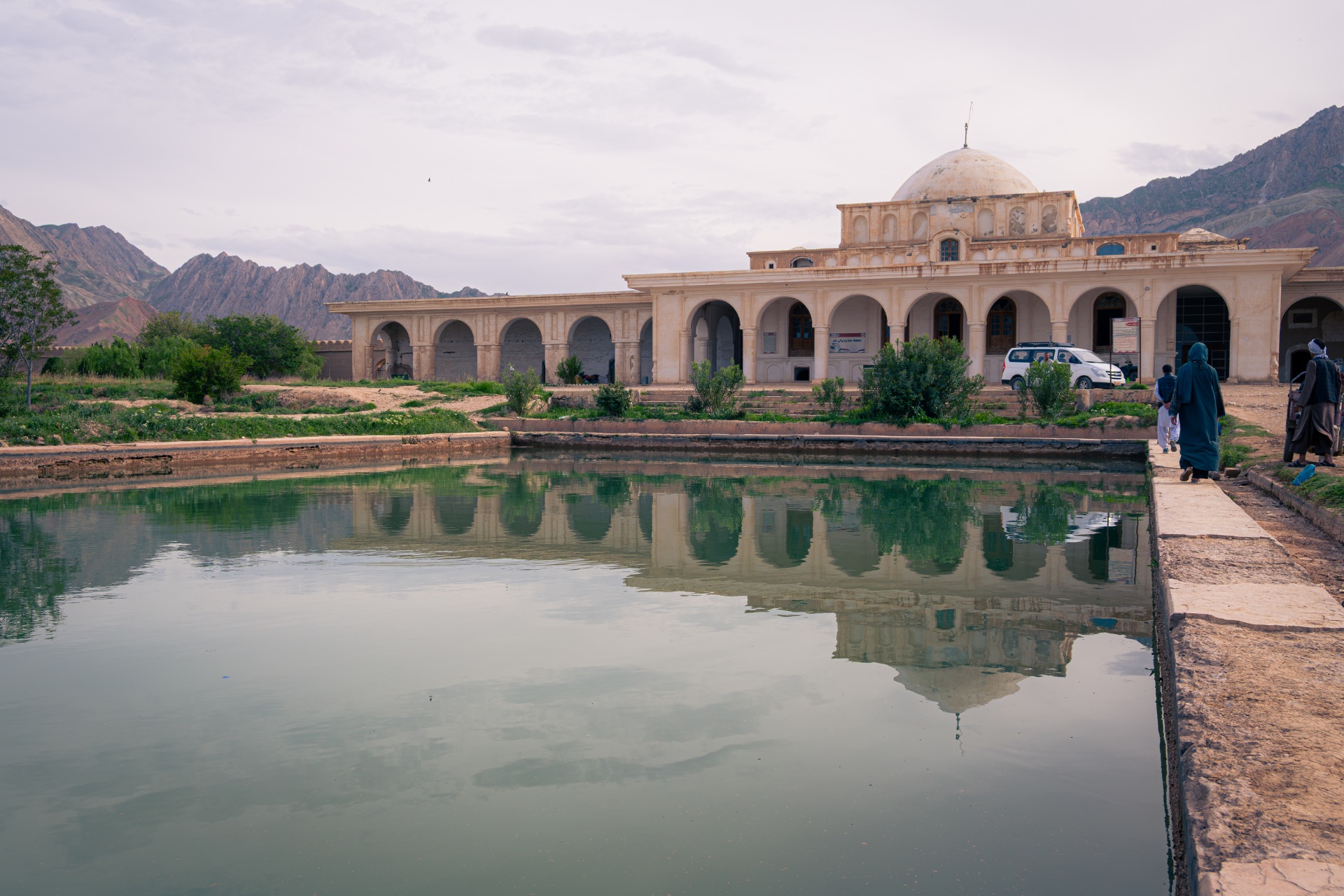
A Royal Garden in Khulm Behind high walls on the edge of the historic town of Khulm lies an unexpected glimpse into Afghanistan’s royal past. Bagh-e Jahan Nama — the Garden of the World — is a peaceful ensemble of gardens, pathways and trees surrounding an elegant nineteenth-century palace. Far removed from the ancient ruins and medieval monuments found elsewhere in northern Afghanistan, Jahan Nama tells a more recent story. It belongs to an era of kings and courtly life, when Afghanistan’s rulers created gardens and residences inspired by older Persian traditions while shaping a changing country. The result is one of northern Afghanistan’s more surprising historic places: part palace, part garden, and a witness to more than a century of Afghan history.
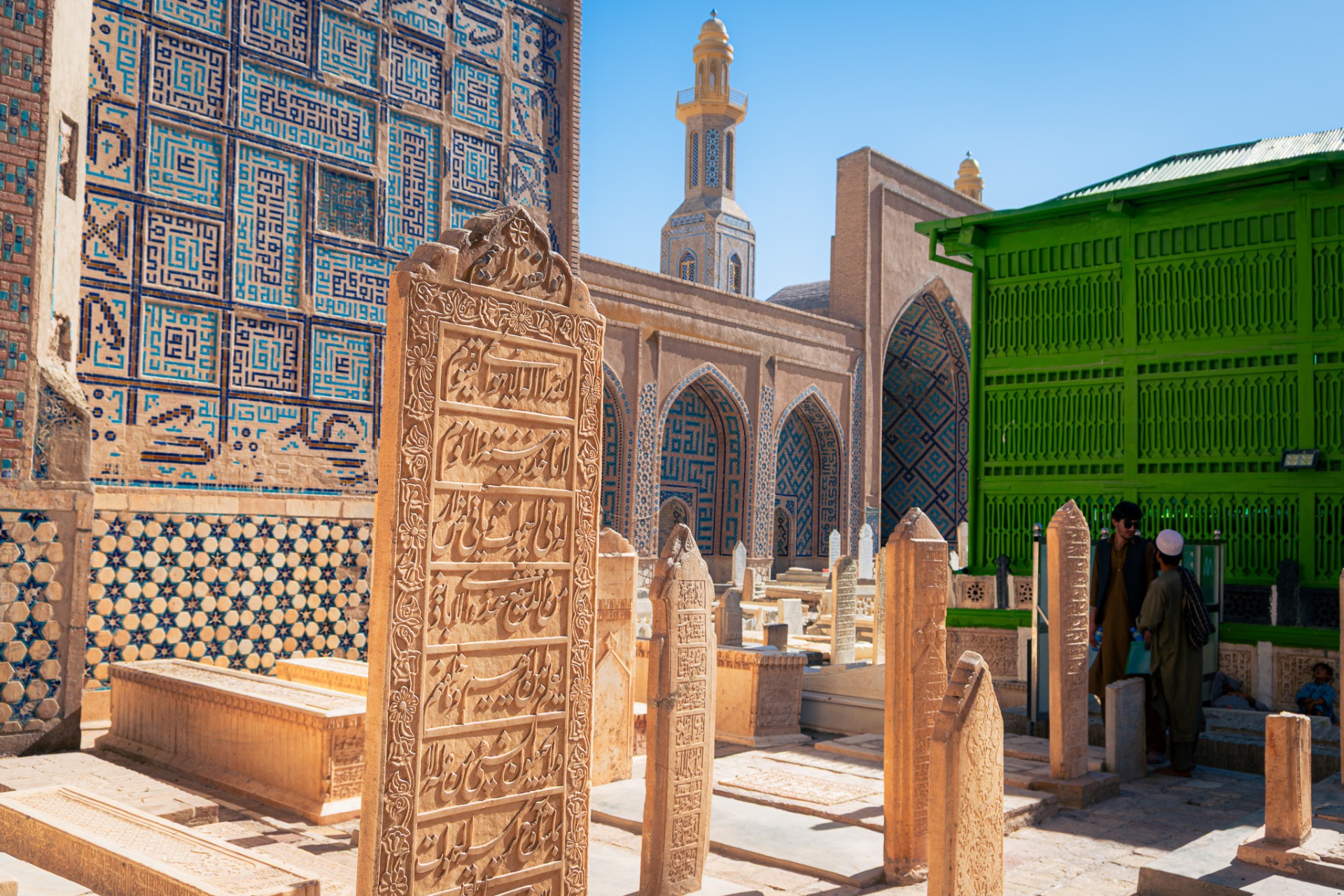
In the village of Gazurgah, just beyond the city of Herat, lies one of western Afghanistan’s most important spiritual places. At its heart is the grave of Khwaja Abdullah Ansari, the eleventh-century mystic, scholar and poet remembered simply as Pir-e Herat — the Saint of Herat. For almost a thousand years, people have come here to pray, reflect and pay their respects. What began with the simple grave of a revered teacher gradually became a magnificent complex of courtyards, gardens, graves and richly decorated architecture. Yet Gazurgah has never become merely a monument to the past. It remains a place of pilgrimage and contemplation — somewhere history is still part of everyday life.
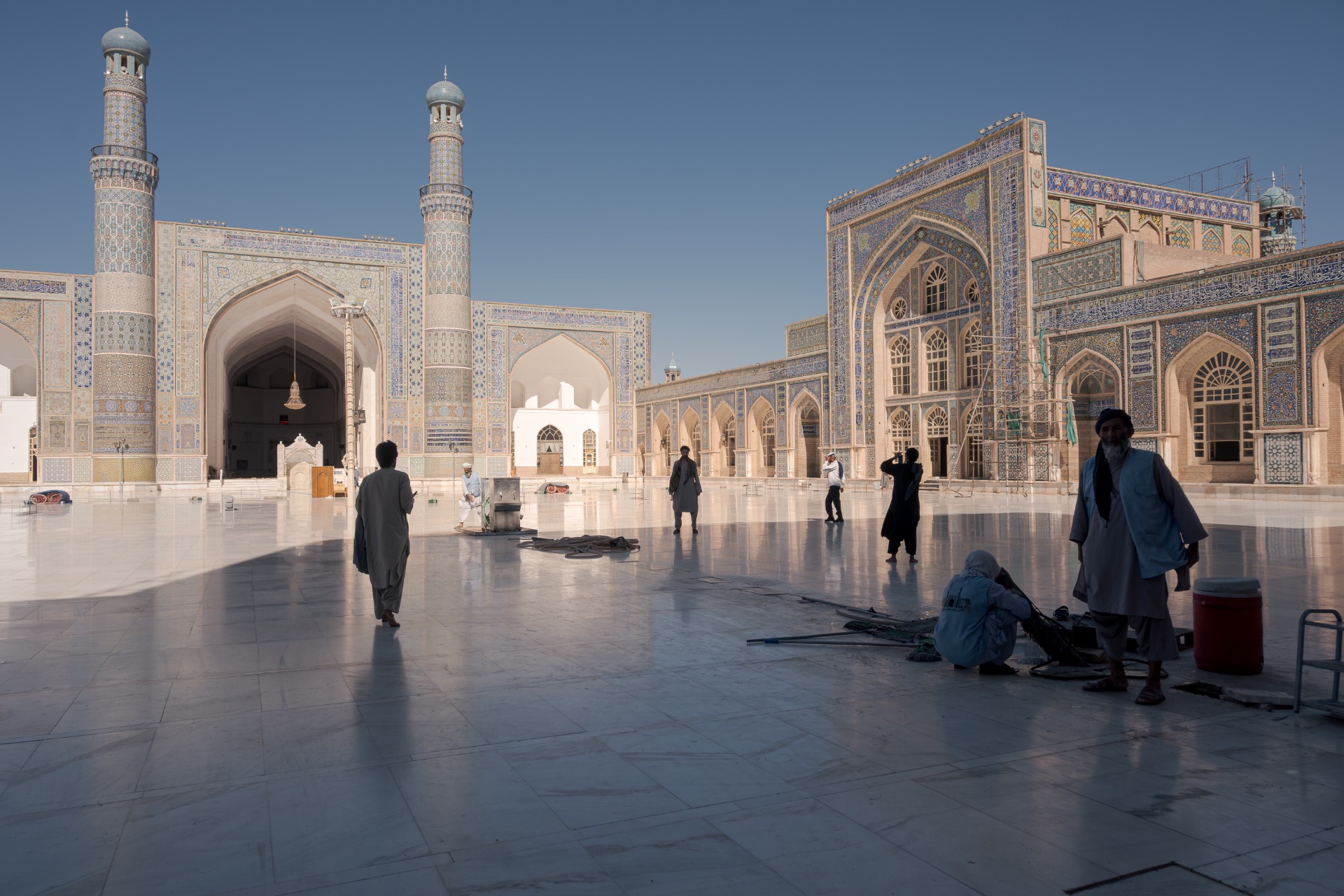
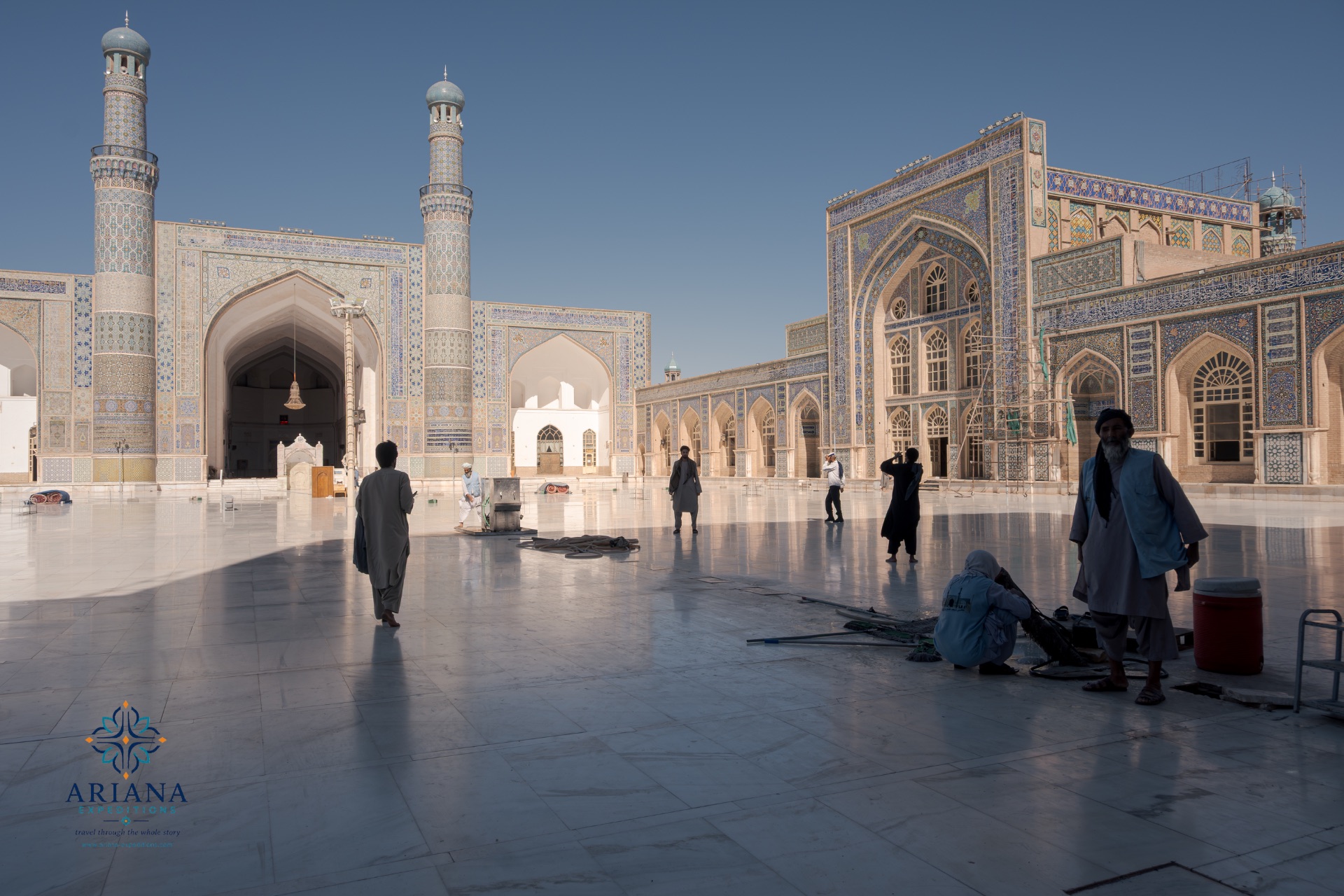
A Courtyard of Colour Behind the busy streets of Herat lies a sudden world of colour. Passing through the gates of the Masjid-e Jami of Herat, the city seems to fall away and an immense courtyard opens before you, surrounded by soaring façades covered in turquoise, blue and white. Known in English as the Friday Mosque or Great Mosque of Herat, the Masjid-e Jami is one of Afghanistan’s great architectural landmarks. Yet its beauty is not the creation of a single moment. For more than eight centuries, successive rulers, architects and craftsmen have rebuilt, expanded and decorated the mosque. The result is a monument that does not simply belong to Herat’s history. It continues to be part of the living city around it.
Balkh
In the heart of ancient Balkh, surrounded by gardens and the remains of a city once known as the Mother of Cities, rises the striking shrine of Khwaja Abu Nasr Parsa. Its turquoise dome, monumental portal and intricate tilework belong to the great architectural traditions that flourished across Central Asia during the Timurid age. Yet this is more than an architectural monument. The shrine stands in a landscape filled with poets, mystics and stories that have shaped the cultural memory of Balkh for centuries. Among them is one of Afghanistan’s most poignant literary figures: Rabia Balkhi, the legendary tenth-century poet whose story of poetry, forbidden love and tragedy is still remembered more than a thousand years later.
Balk
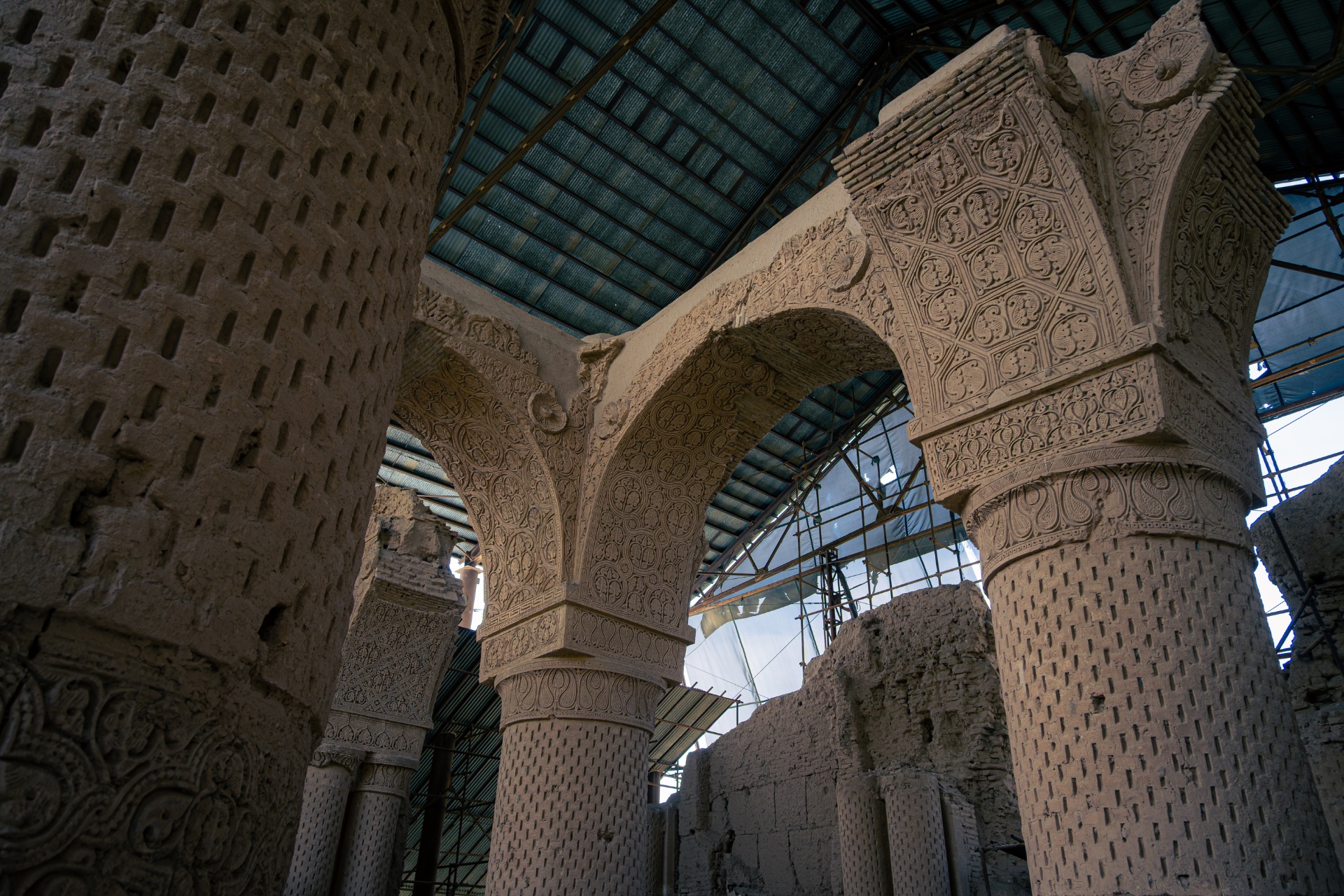
The Nine Domes of Balkh A few kilometres beyond the ancient walls of Balkh stands a modest monument with an extraordinary place in Afghanistan’s history. Haji Piyada Mosque, also known as Noh Gonbad — the Nine Domes —, is considered one of the earliest surviving Islamic monuments in the country. At first sight, little remains of its former grandeur. Its domes have disappeared and centuries have reduced much of the building to fragments of walls, arches and columns. Yet beneath its protective roof survives something remarkable: delicate carved decoration from the earliest centuries of Islam in this part of the world. In a region shaped by Zoroastrianism, Buddhism and later Islam, Haji Piyada captures one of those moments when Afghanistan’s story was beginning to change.
Bamyan
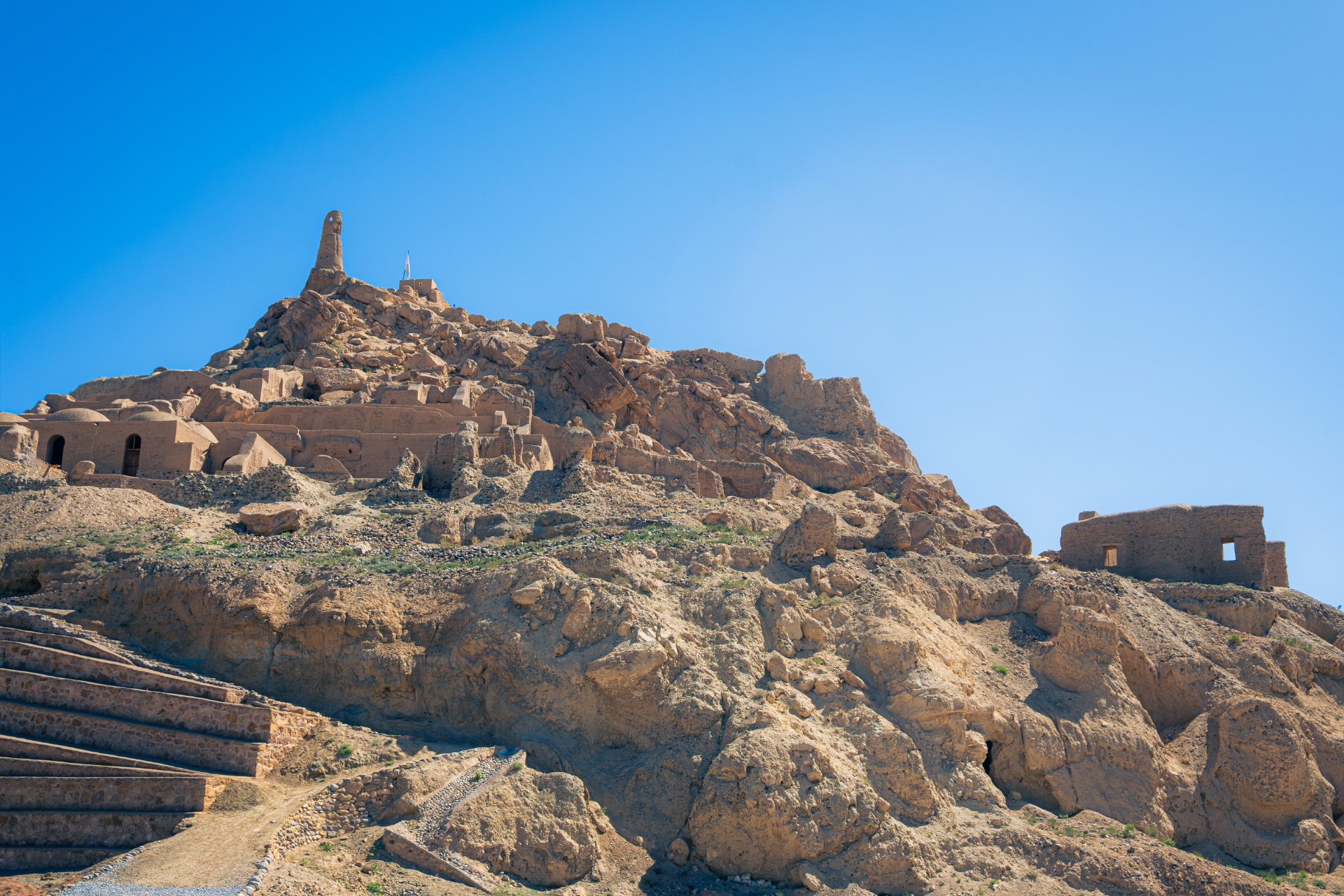
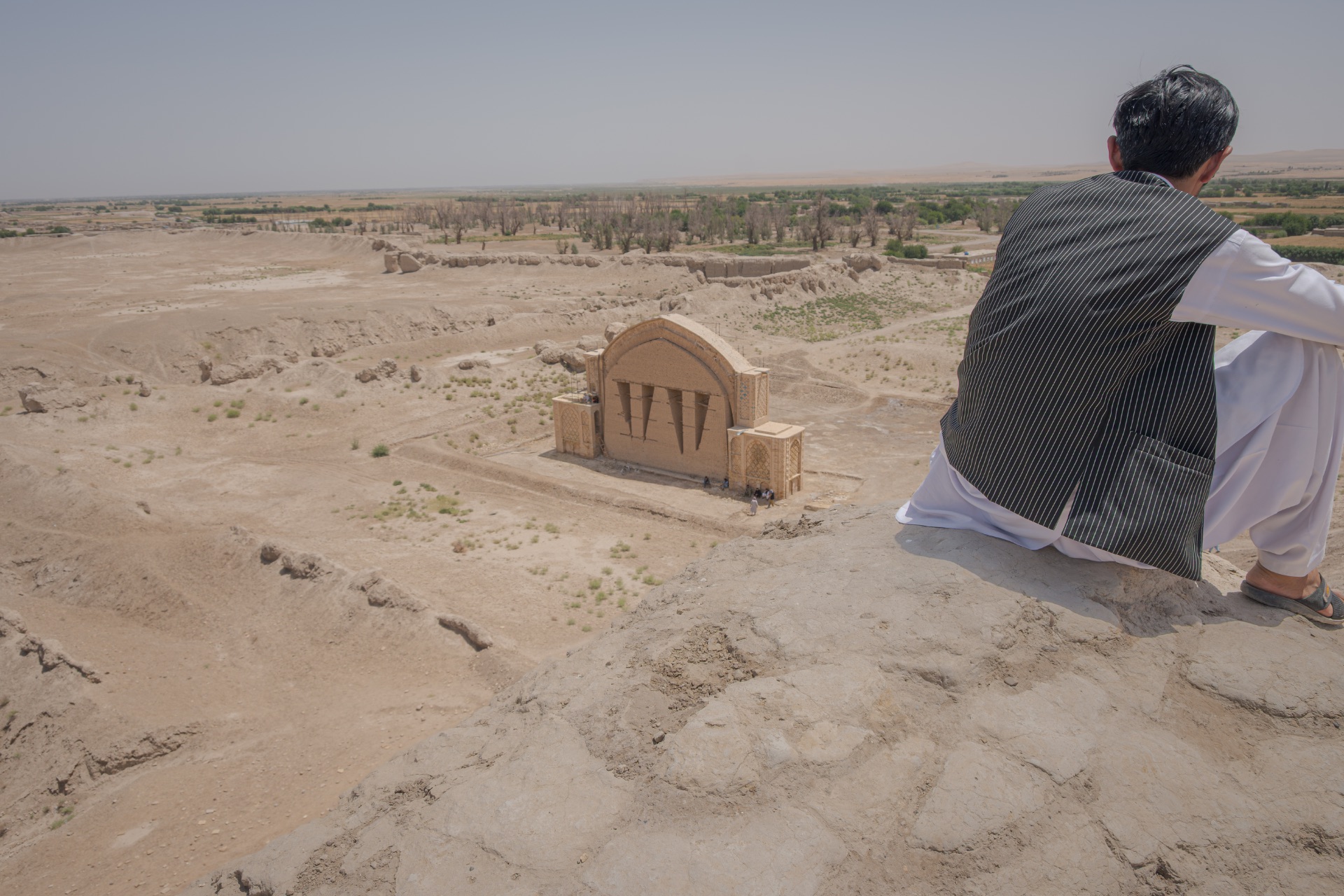
On a solitary hill rising from the heart of the Bamyan Valley stand the ruins of Shahr-e Gholghola — the City of Screams. From its walls, the entire valley seems to unfold below: the great cliffs of Bamyan, cultivated fields and the mountains beyond. Long before its haunting name became part of local memory, Gholghola occupied an important place in the story of Bamyan. The settlement stood along a branch of the Silk Road connecting the worlds of Central and South Asia, growing into a fortified centre overlooking the routes through the valley. Few places in Bamyan bring history and landscape together so powerfully. From a distance, Gholghola appears almost part of the hill itself. Only as you climb towards its summit do the remains of walls, towers and streets begin to reveal the city that once stood here.
Kapisa Province
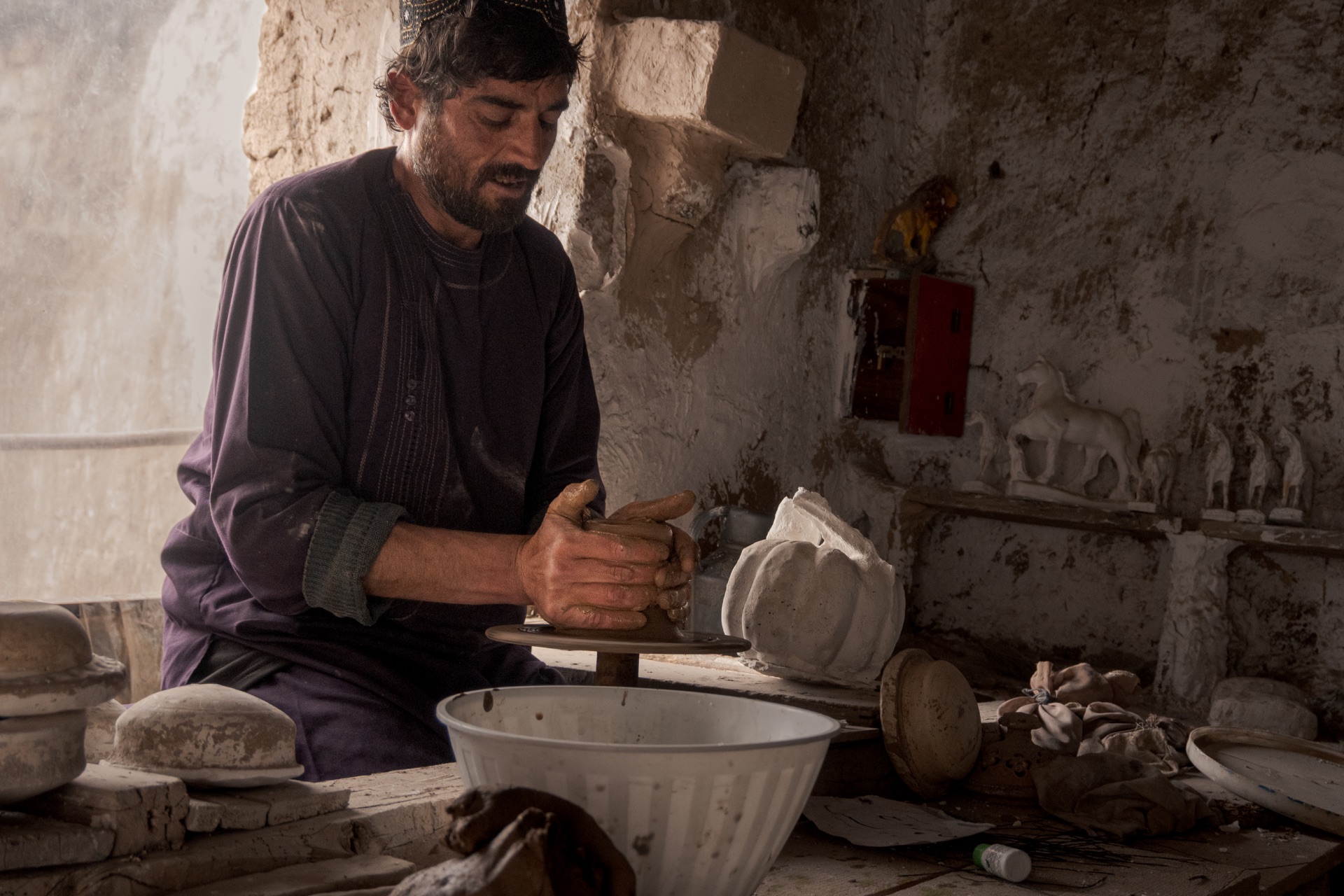
Set among the foothills north of Kabul, Istalif is a place where craft and landscape have long been inseparable. Known for its pottery, the village has become one of Afghanistan's most distinctive centres of traditional craftsmanship, where local clay is transformed by hand into objects that carry the character of the region.
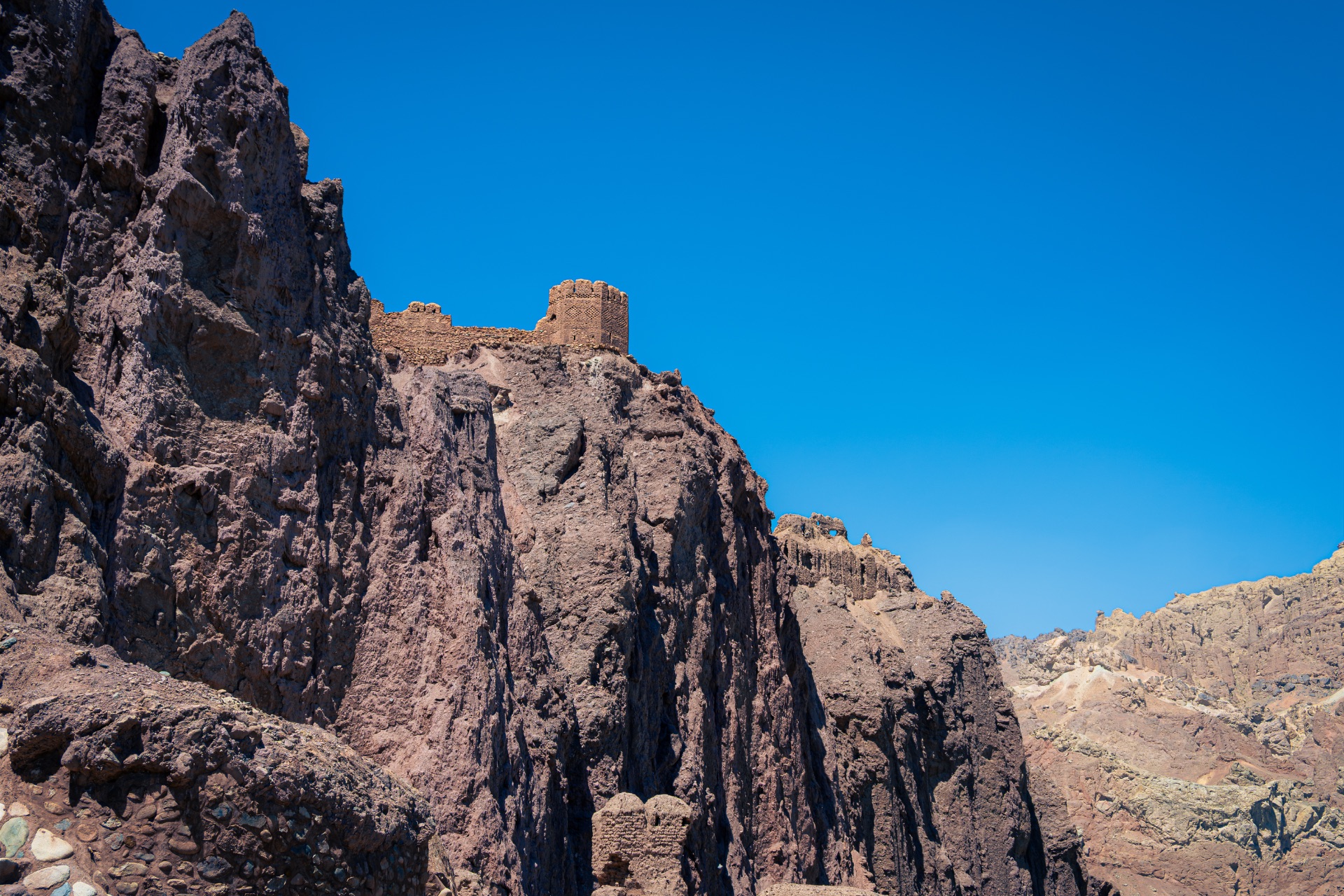
Rising above the meeting of two valleys near Bamyan, Shahr-e Zuhak is one of Afghanistan’s most striking forgotten fortresses. Built from the red earth and rock of the mountains, its ruins seem to grow from the landscape itself. Once positioned along an important route of the Silk Road, the fortress watched over travellers, merchants and armies moving between Central and South Asia. Today, its weathered walls offer one of the most atmospheric encounters in the Bamyan region — a place where landscape, legend and history meet.
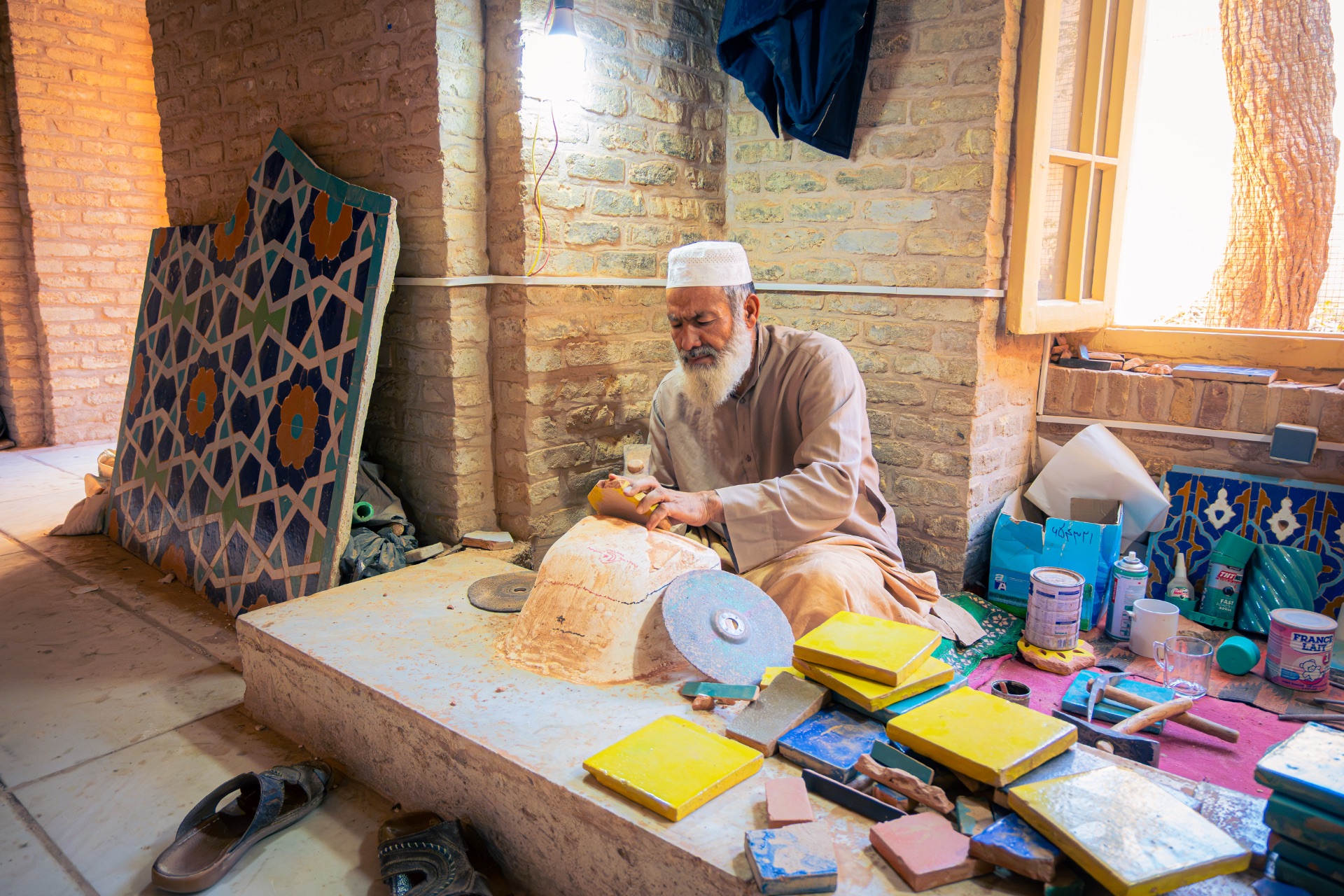
Keeping an Ancient Craft Alive Hidden beside the magnificent Friday Mosque of Herat is a small workshop where one of the city’s most beautiful traditions is still practised by hand. Here, surrounded by pieces of clay, pigments, patterns and half-finished mosaics, craftsmen create the brilliant tiles that give Herat’s monuments their unmistakable shades of turquoise and blue. It is an intimate place, far removed from the grandeur of the mosque outside, yet closely connected to its story. The workshop offers something increasingly rare: the opportunity not simply to admire Afghanistan’s heritage, but to meet the people who are still creating it.
Ghazni
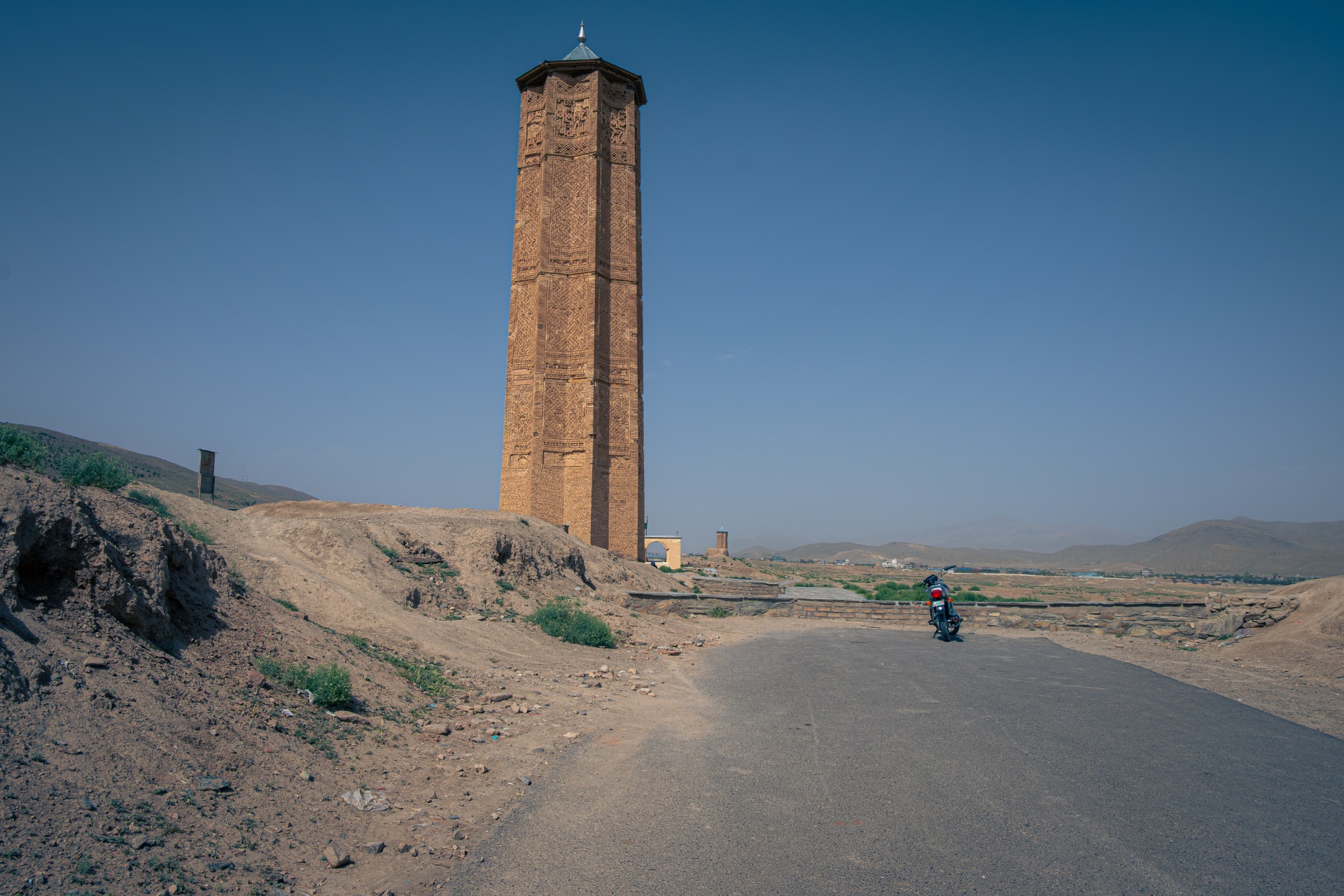
Standing almost alone on the plains outside the old city, the Minarets of Ghazni are among the most remarkable survivors of Afghanistan’s Ghaznavid past. Their intricate brickwork and unusual star-shaped forms belong to an age when Ghazni was not a remote provincial city, but the heart of an empire. From here, Ghaznavid rulers governed territories stretching across parts of Central Asia, Persia and the Indian subcontinent. Their capital became a celebrated centre of power, scholarship, poetry and architecture. Much of that imperial city has disappeared. The two minarets remain — slender fragments of a time when Ghazni stood at the centre of a much larger world.
Kabul Province
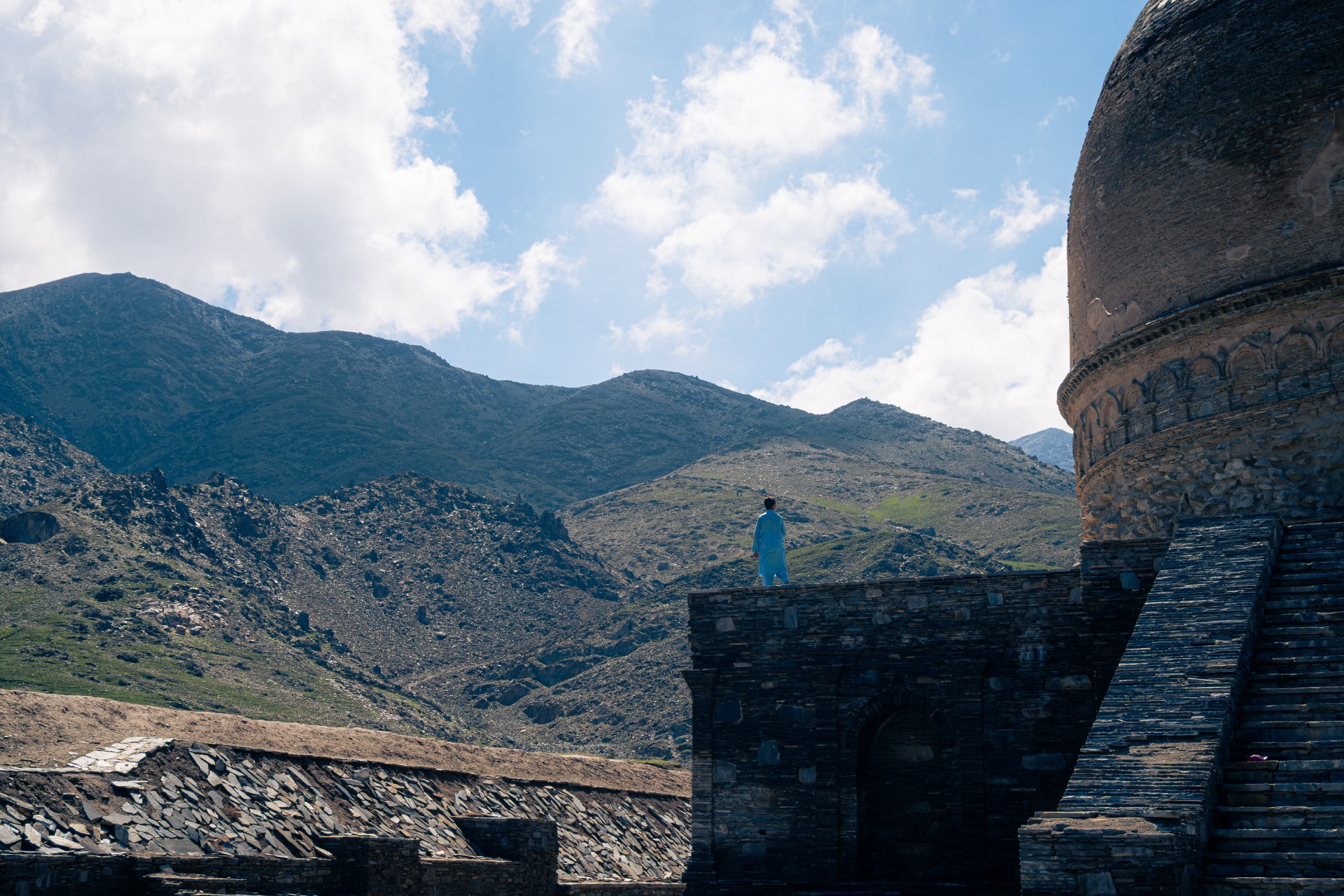
Just beyond Kabul, in the hills of Shewaki, stands a remarkable reminder of a much older chapter in Afghanistan's history. Surrounded by the landscape of the Kabul Valley, the stupa rises quietly from the earth, far from the better-known monuments of the country.
Set among mountains and valleys, Kabul is a city of contrasts, where centuries of history unfold alongside the energy of everyday life. Once a coveted prize for empires and a meeting point between Central and South Asia, the capital today is a fascinating blend of old neighbourhoods, bustling markets, historic gardens, and a rapidly changing urban landscape.
Helmand
Qala-e Bost stood at the crossroads of ancient trade routes in southern Afghanistan.
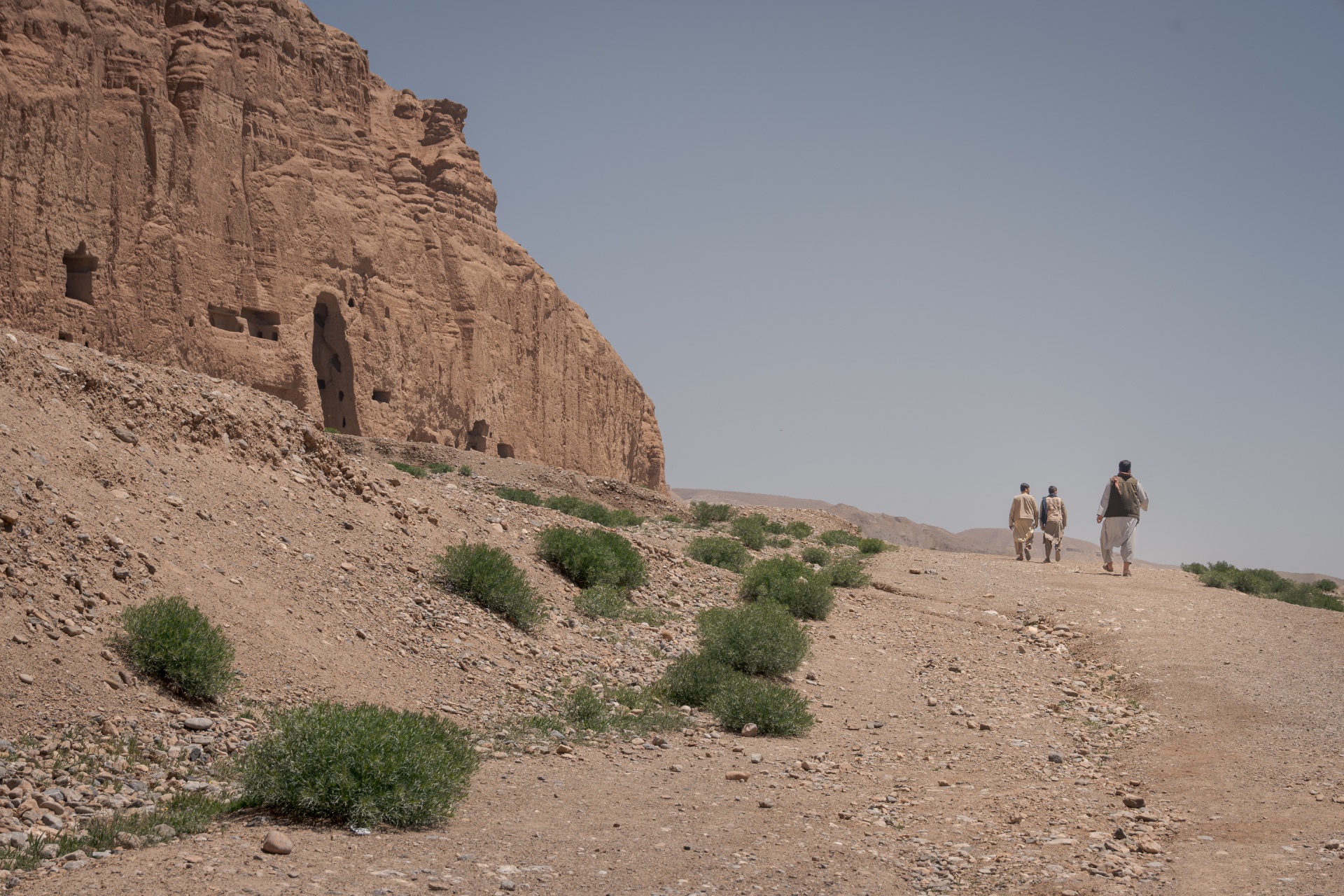
Carved into the towering cliffs of Bamiyan, the Buddha niches are among the most extraordinary traces of the valley's ancient past. Once home to two monumental statues, the niches and surrounding caves form part of a vast sacred landscape shaped by centuries of Buddhist art, pilgrimage, and cultural exchange along the Silk Road.
Country wide
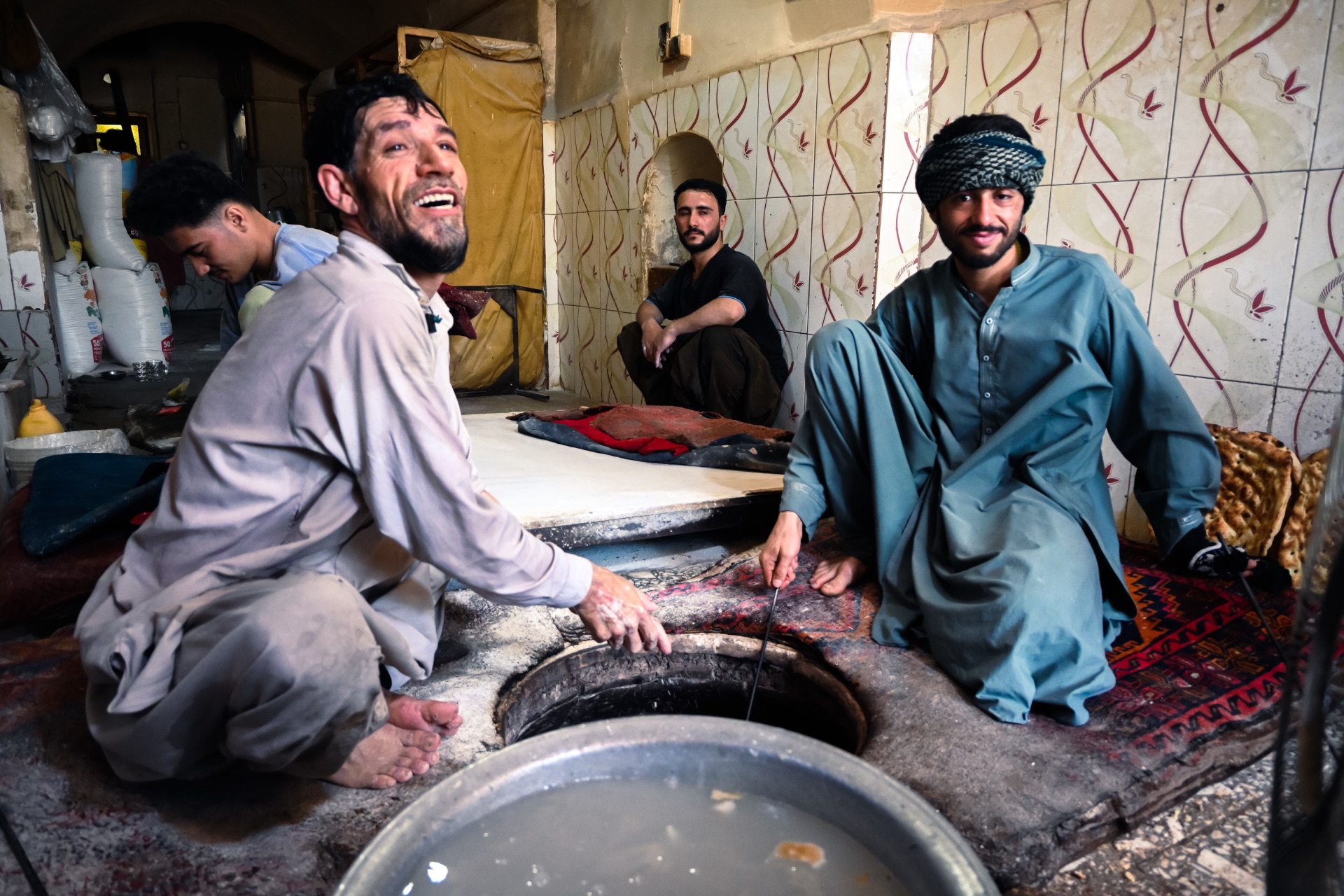
Few things are as deeply woven into everyday life in Afghanistan as bread. From bustling city bakeries to small village ovens, the scent of freshly baked naan is part of the rhythm of daily life. Simple in appearance but rich in tradition, Afghan bread is made to be shared, carried home, and enjoyed throughout the day.
Countryside
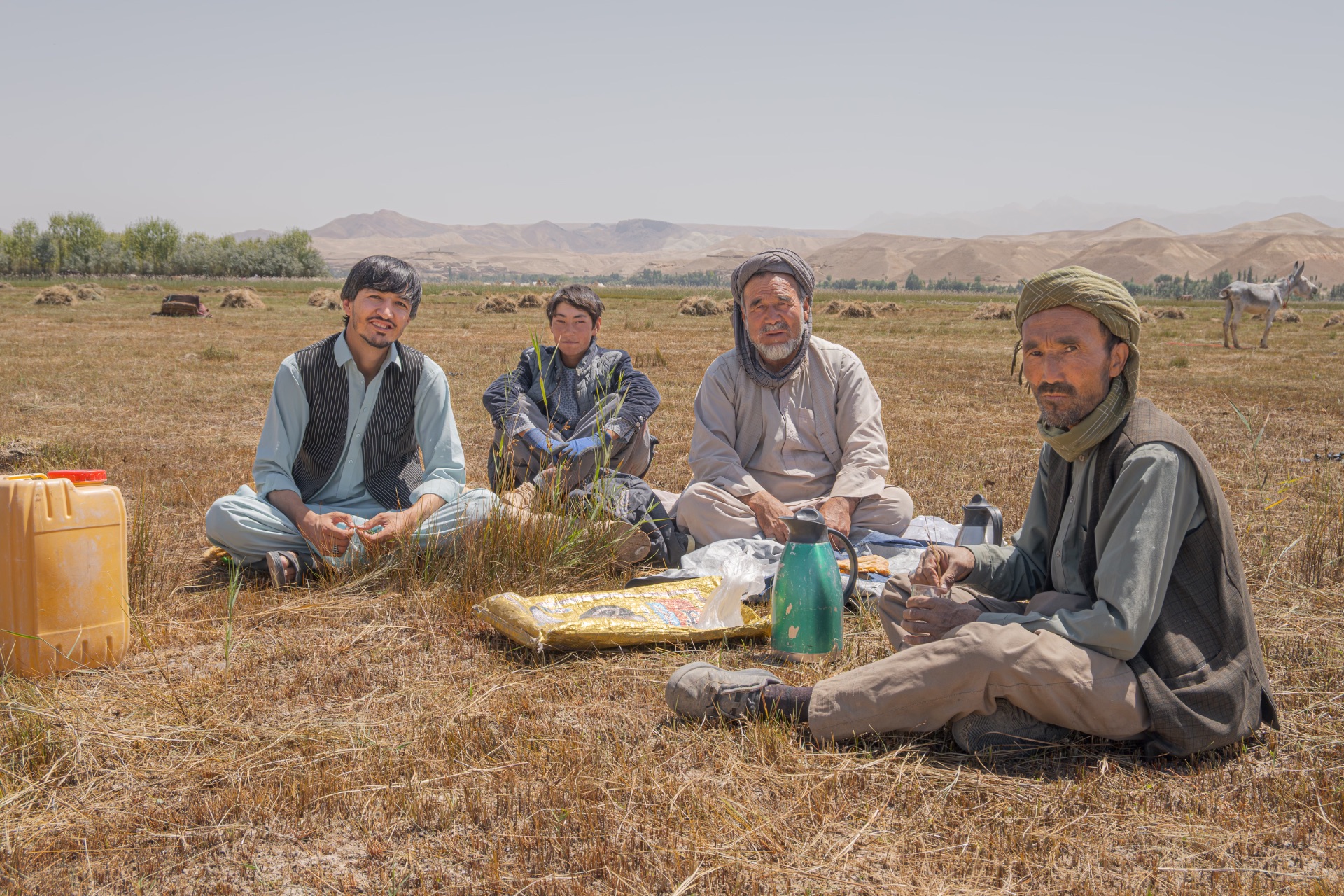
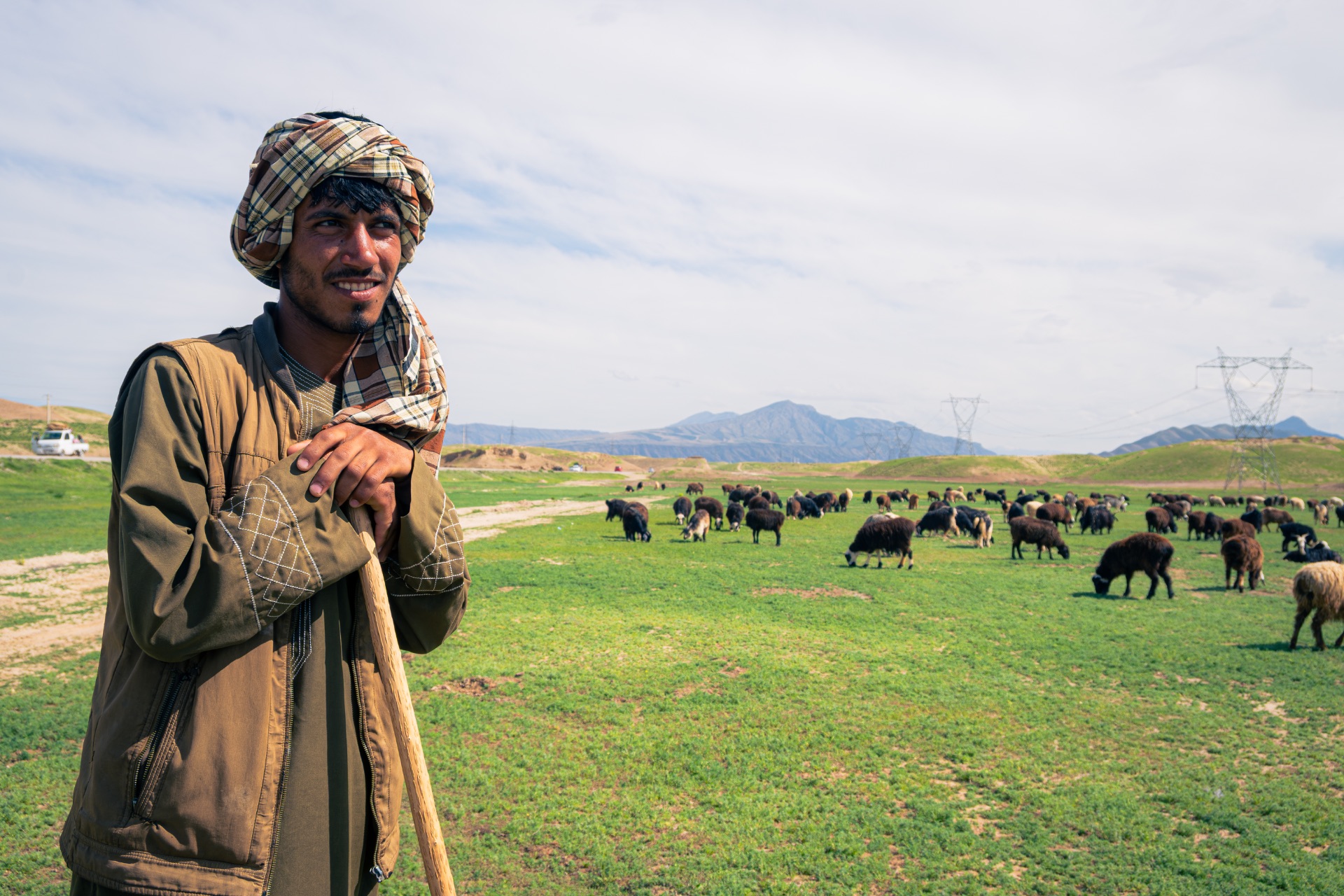
Across Afghanistan's vast mountain valleys, shepherds move with their flocks through landscapes shaped by the rhythm of the seasons. Far from the country's cities, life here remains closely connected to the land, with sheep providing food, wool, and an essential source of livelihood for many rural families.
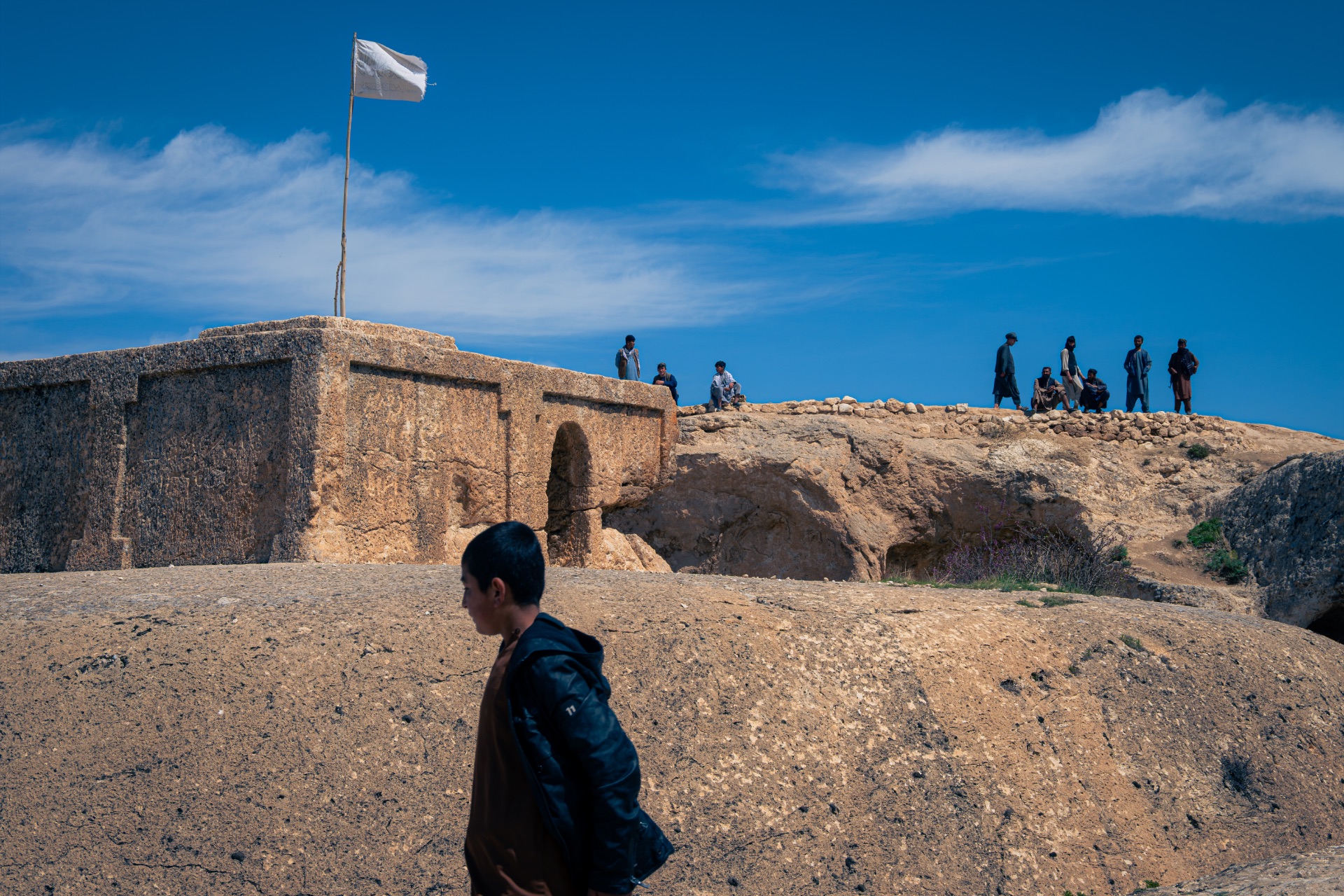
The rock cut monastery, Carved into the hills above the city of Samangan, Takht-e Rustam is one of Afghanistan's most remarkable ancient monuments. Hidden within the landscape, the rock-cut complex consists of a circular stupa surrounded by a deep trench and a network of chambers, creating a site that feels both monumental and remarkably intimate.
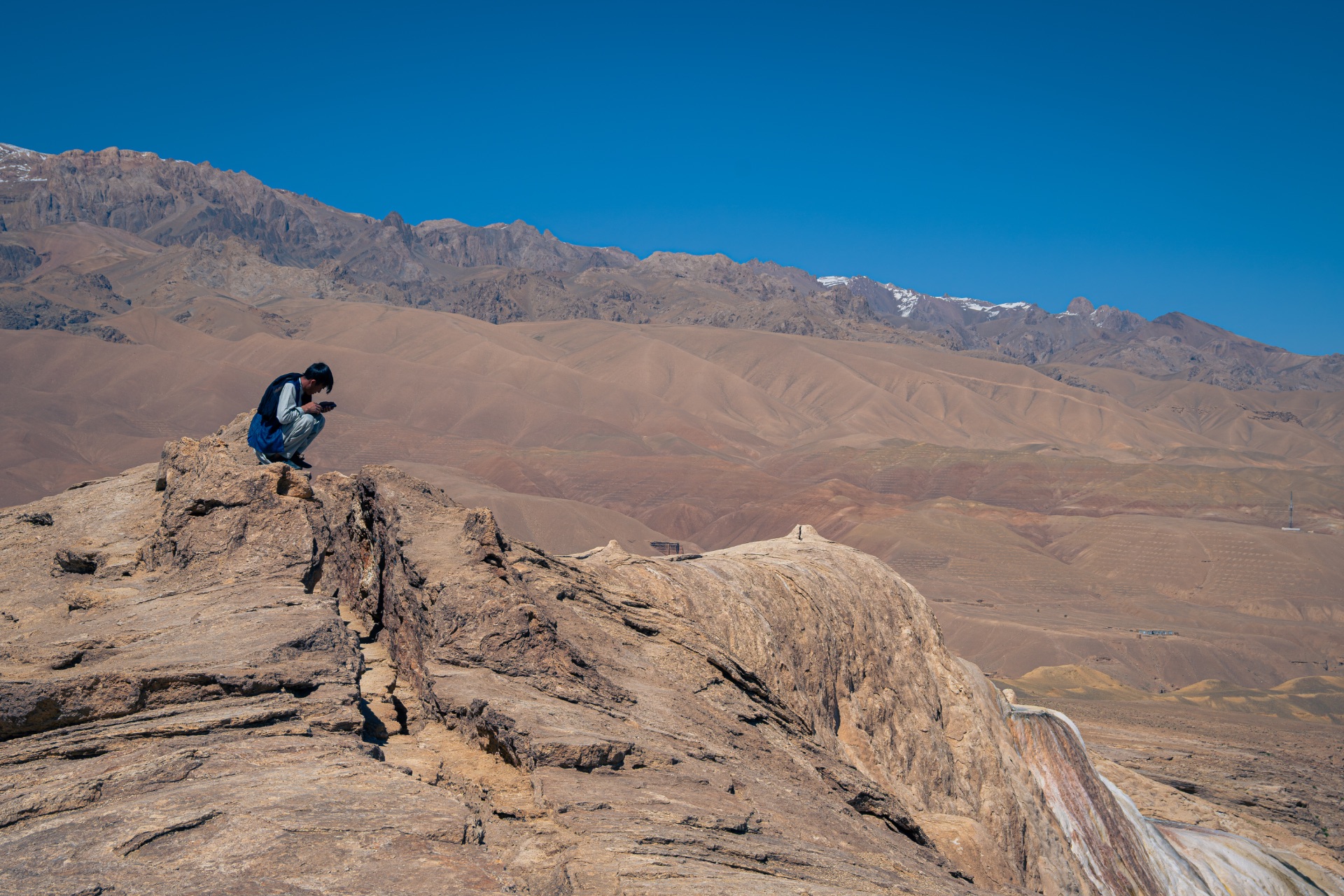
Just west of Bamyan lies Dara-e Ajdahar, the Valley of the Dragon, where a striking rocky formation stretches through the landscape like the spine of a mythical creature. Surrounded by barren mountains and open valleys, the site has an otherworldly quality that has inspired generations of stories and legends.
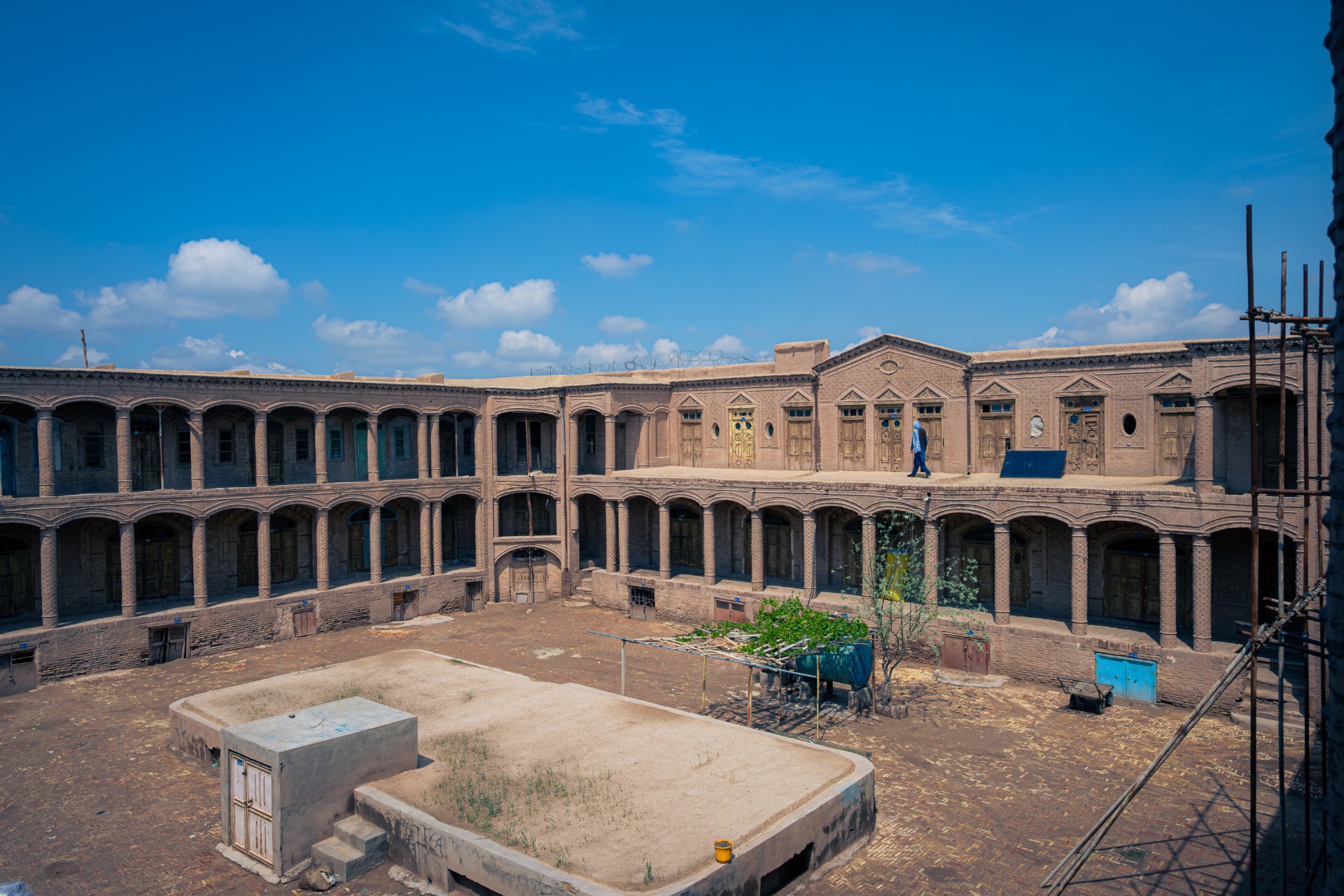
A Crossroads of Trade Hidden within the old city of Herat, the Mokhtarzada Caravanserai is a remarkable reminder of the city's centuries-old role as a crossroads of trade. Its elegant brick arcades surround a quiet courtyard, creating a space where commerce, travel, and everyday life once came together.
Ghor Province
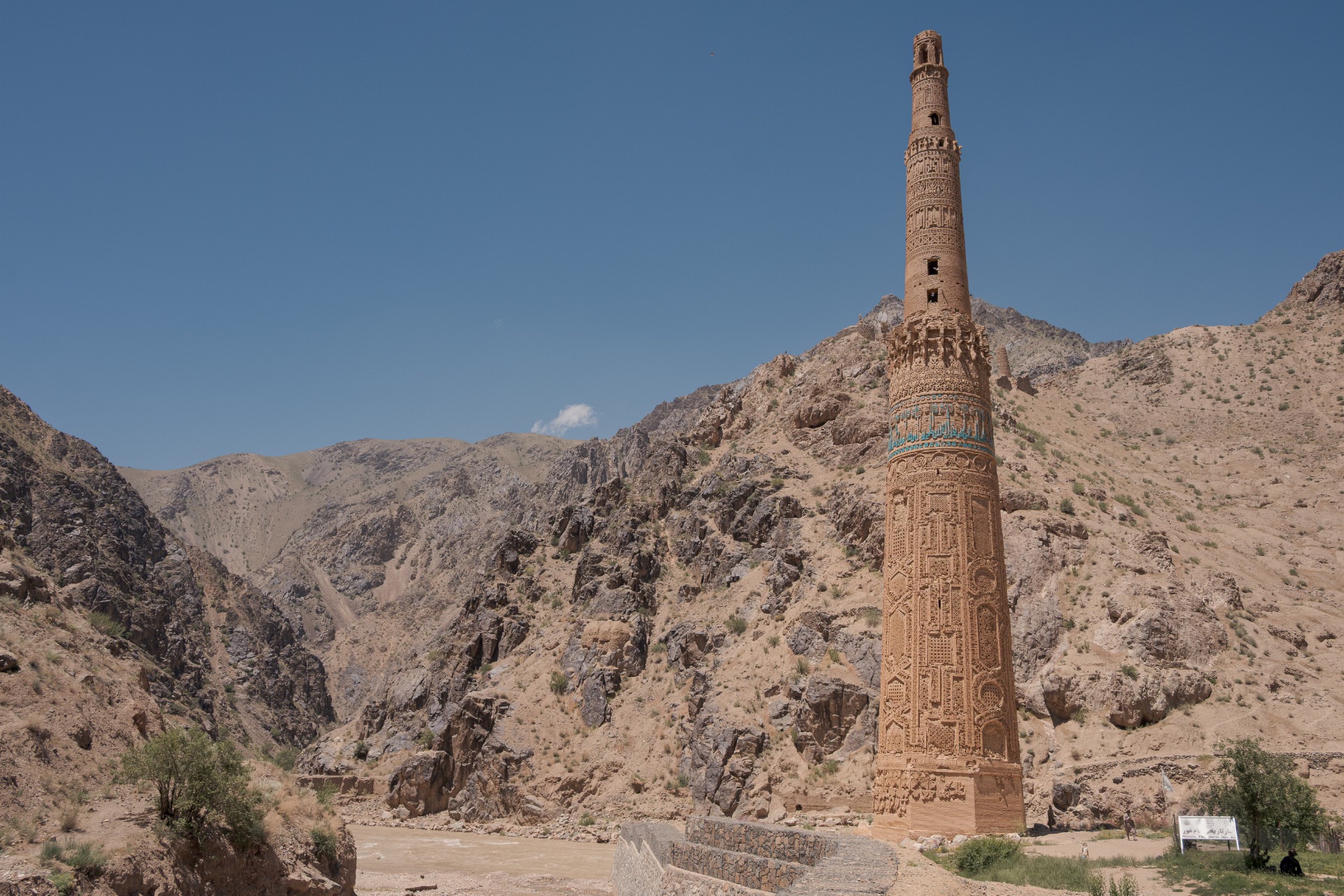
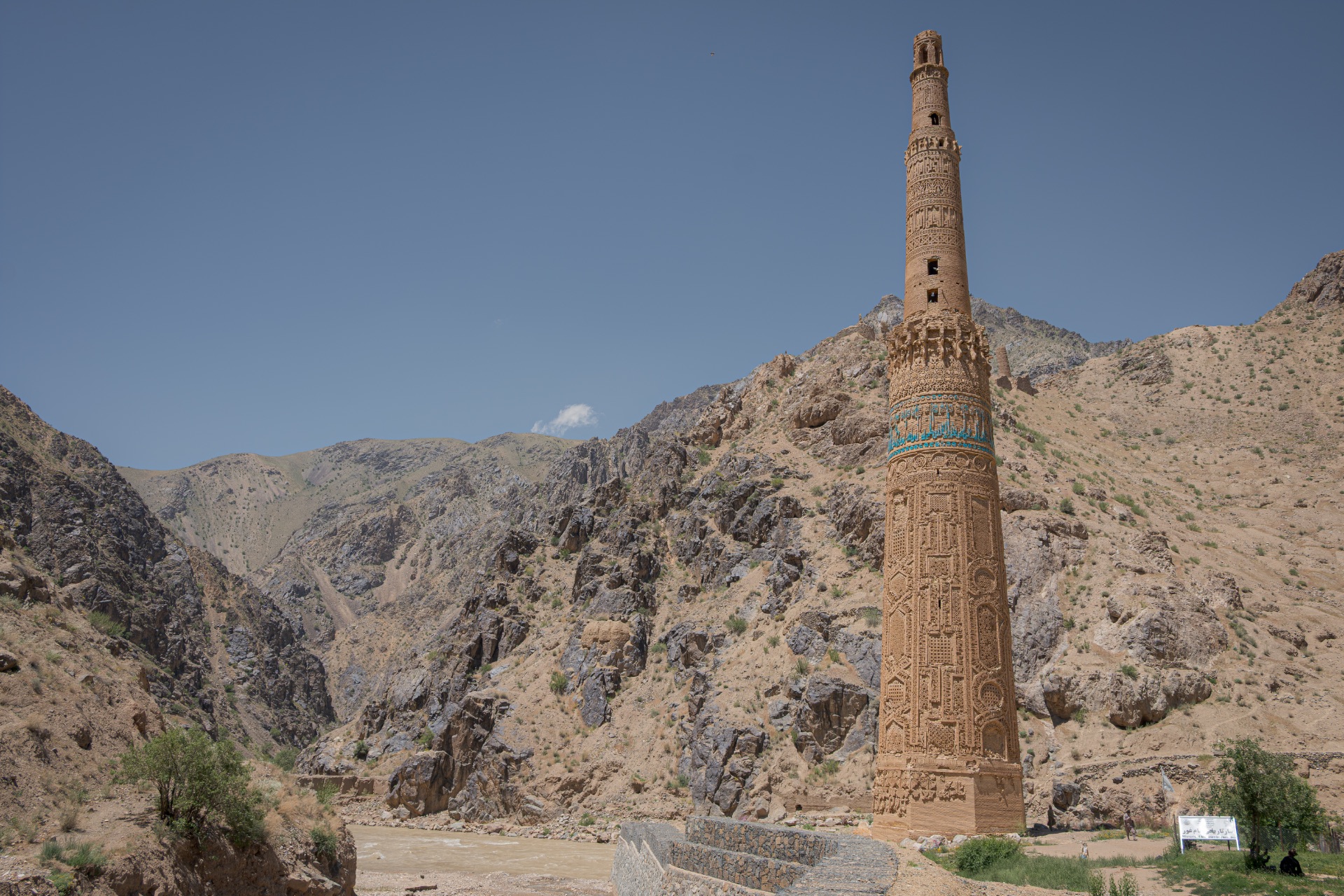
Rising from a remote valley in the mountains of Ghor, the Minaret of Jam is one of Afghanistan's most remarkable architectural treasures. Standing 65 metres high beside the Hari Rud, its slender form and intricate brick decoration seem almost impossibly delicate against the vast surrounding landscape.
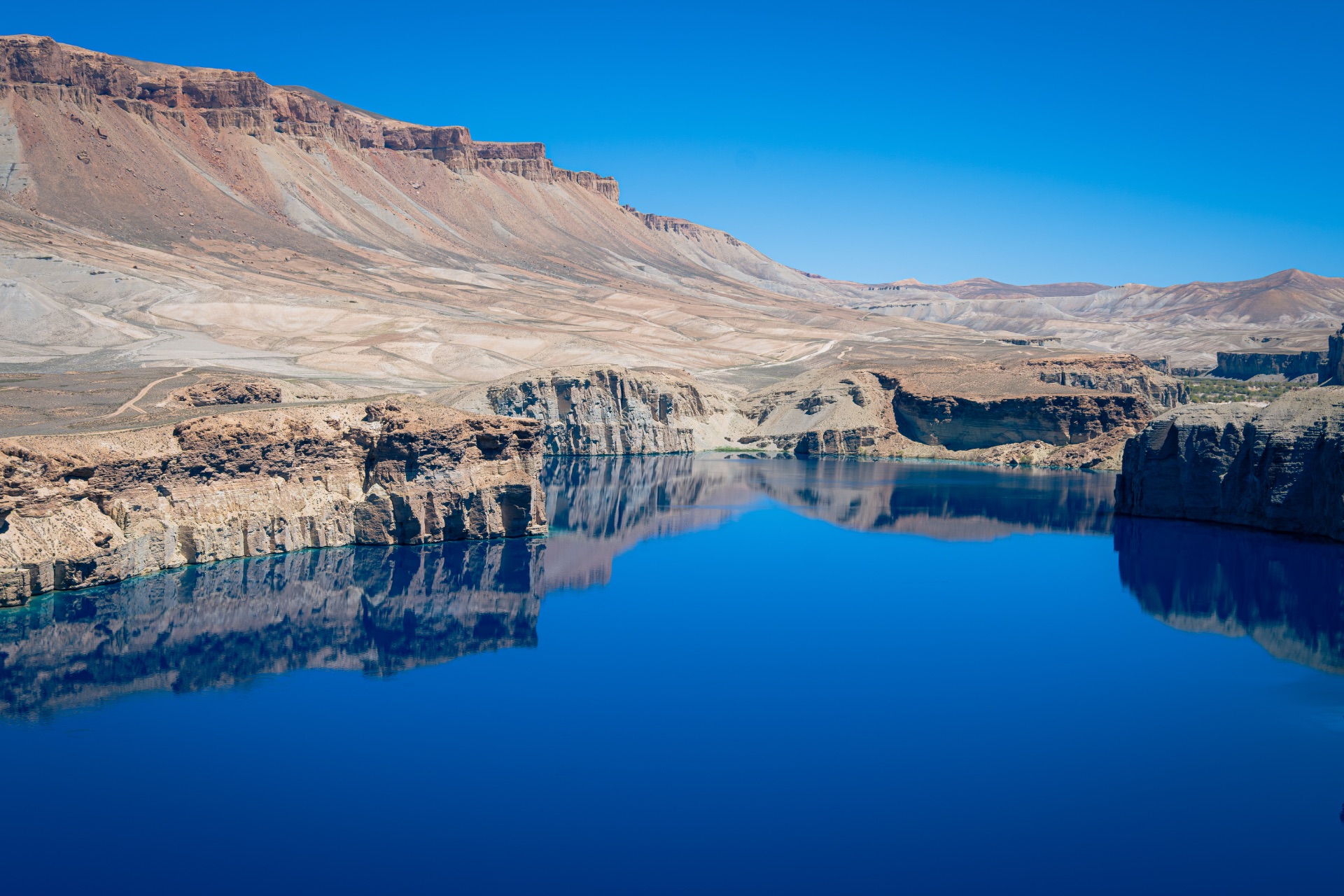
Set high in the mountains of central Afghanistan, Band-e Amir is a chain of deep-blue lakes surrounded by dramatic limestone cliffs. The intense blue of the water against the rugged landscape creates one of Afghanistan's most extraordinary natural scenes, where immense skies, still waters, and barren mountains come together in striking harmony.