Where history lingers in valleys, ruins and roads.
Samangan
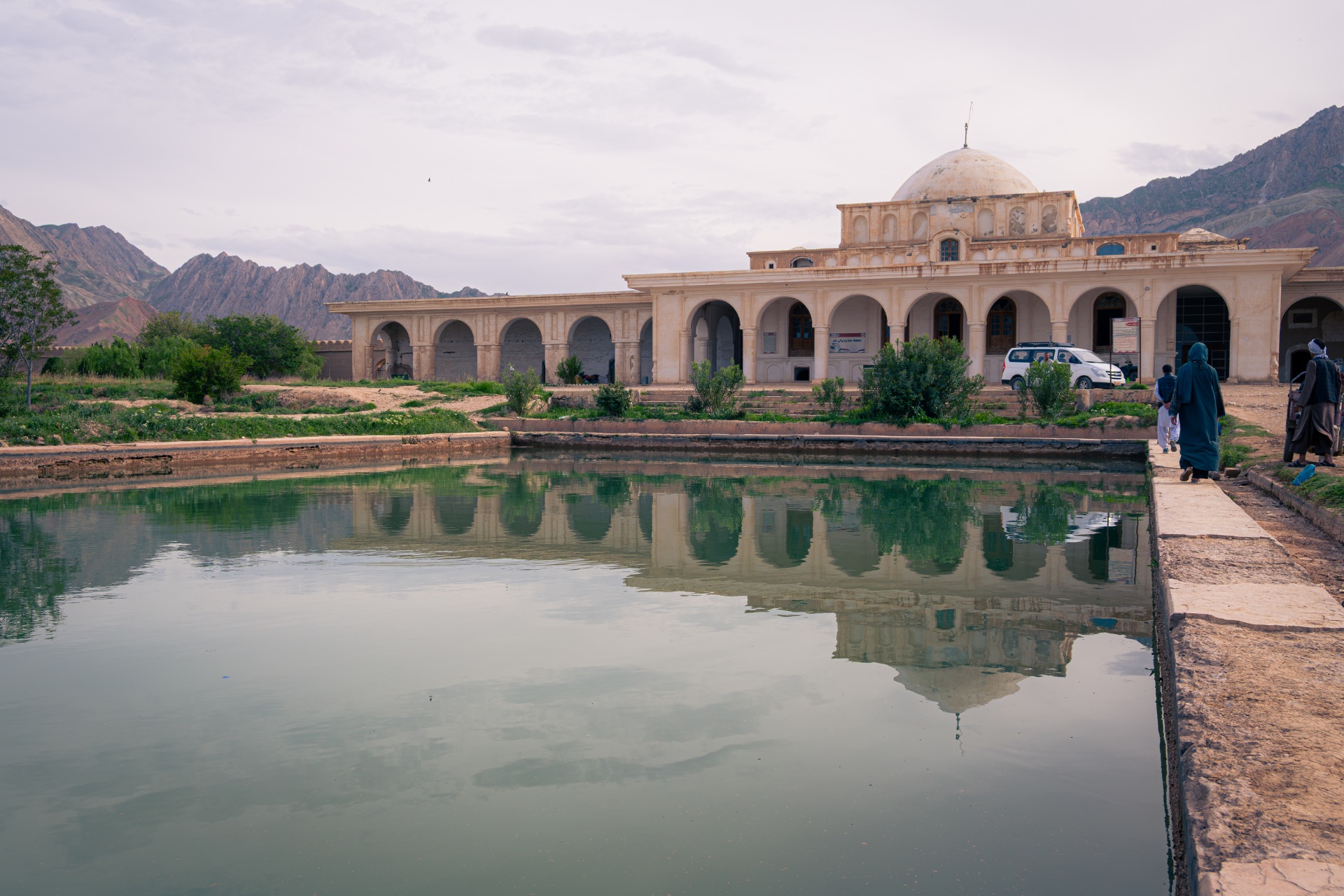
A Royal Garden in Khulm Behind high walls on the edge of the historic town of Khulm lies an unexpected glimpse into Afghanistan’s royal past. Bagh-e Jahan Nama — the Garden of the World — is a peaceful ensemble of gardens, pathways and trees surrounding an elegant nineteenth-century palace. Far removed from the ancient ruins and medieval monuments found elsewhere in northern Afghanistan, Jahan Nama tells a more recent story. It belongs to an era of kings and courtly life, when Afghanistan’s rulers created gardens and residences inspired by older Persian traditions while shaping a changing country. The result is one of northern Afghanistan’s more surprising historic places: part palace, part garden, and a witness to more than a century of Afghan history.
Kabul Province
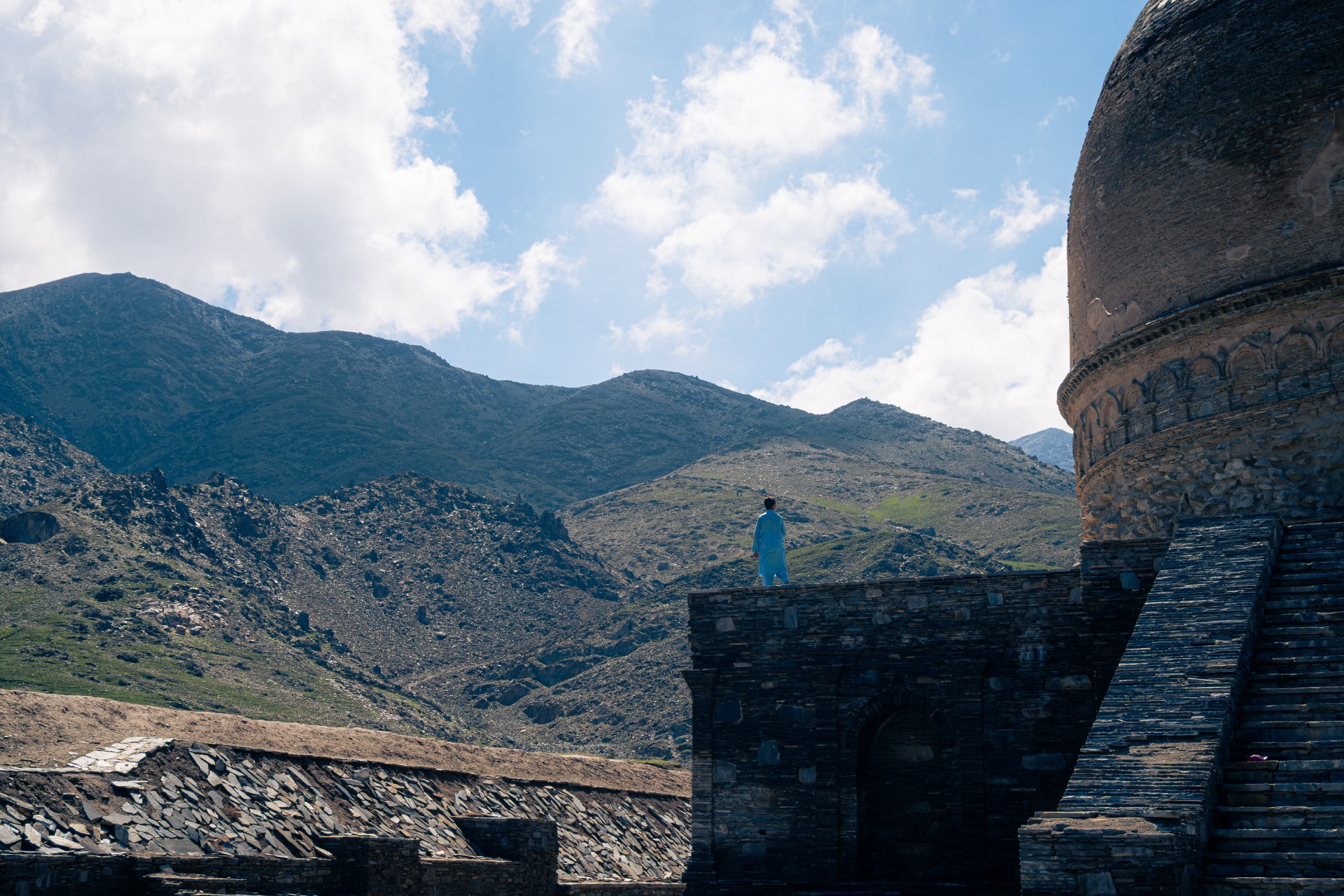
Just beyond Kabul, in the hills of Shewaki, stands a remarkable reminder of a much older chapter in Afghanistan's history. Surrounded by the landscape of the Kabul Valley, the stupa rises quietly from the earth, far from the better-known monuments of the country.
Bamyan
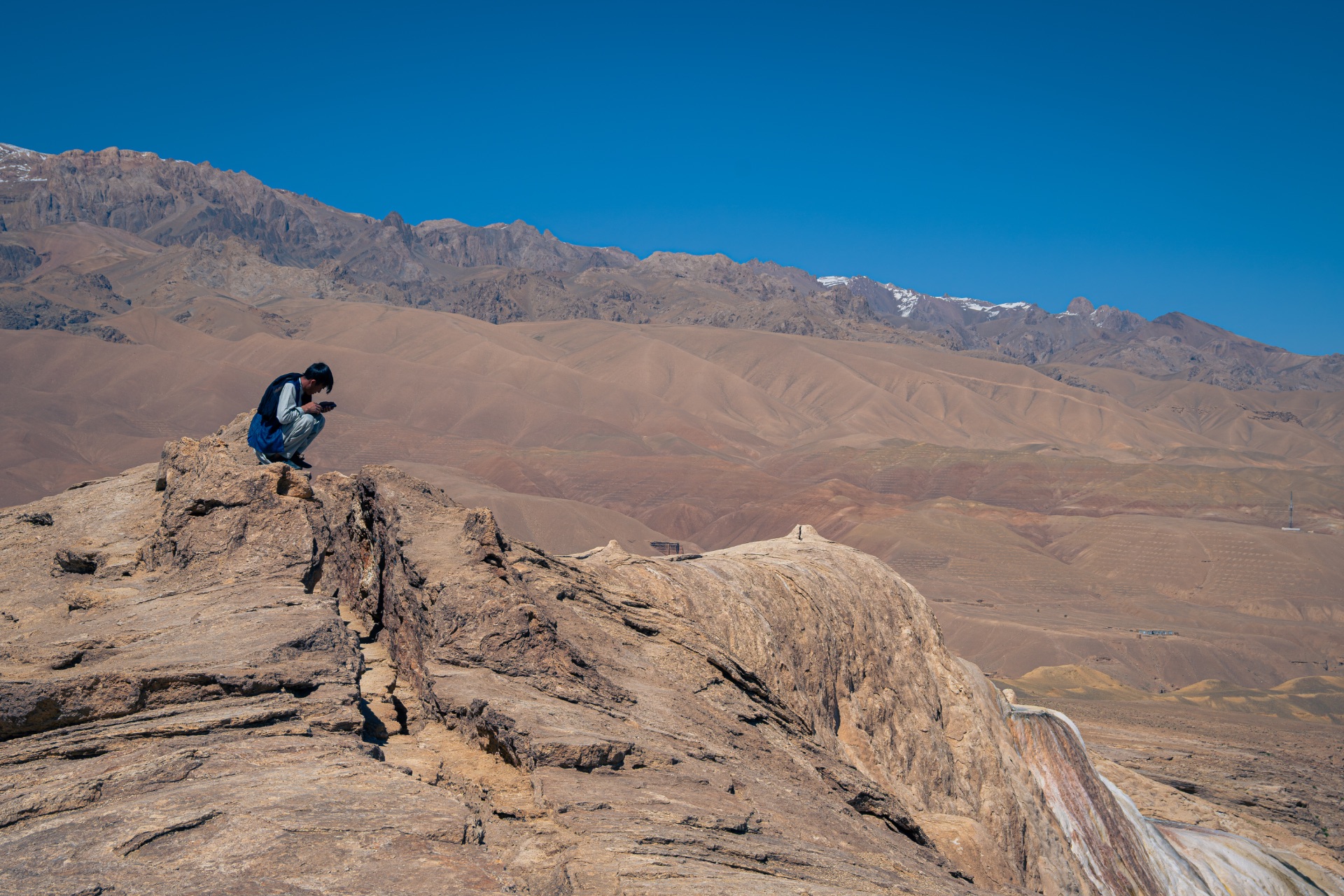
Just west of Bamyan lies Dara-e Ajdahar, the Valley of the Dragon, where a striking rocky formation stretches through the landscape like the spine of a mythical creature. Surrounded by barren mountains and open valleys, the site has an otherworldly quality that has inspired generations of stories and legends.
Ghor Province
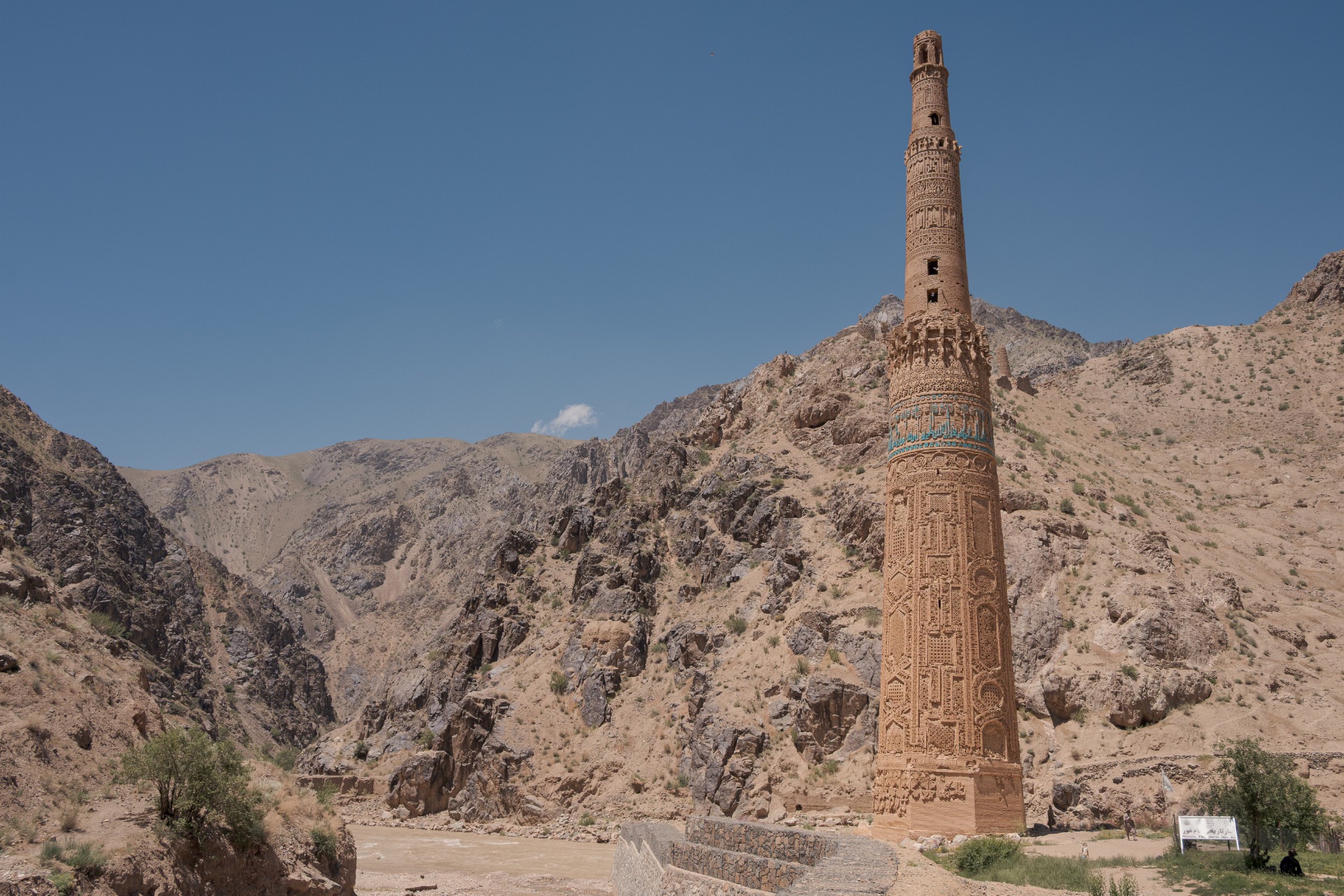
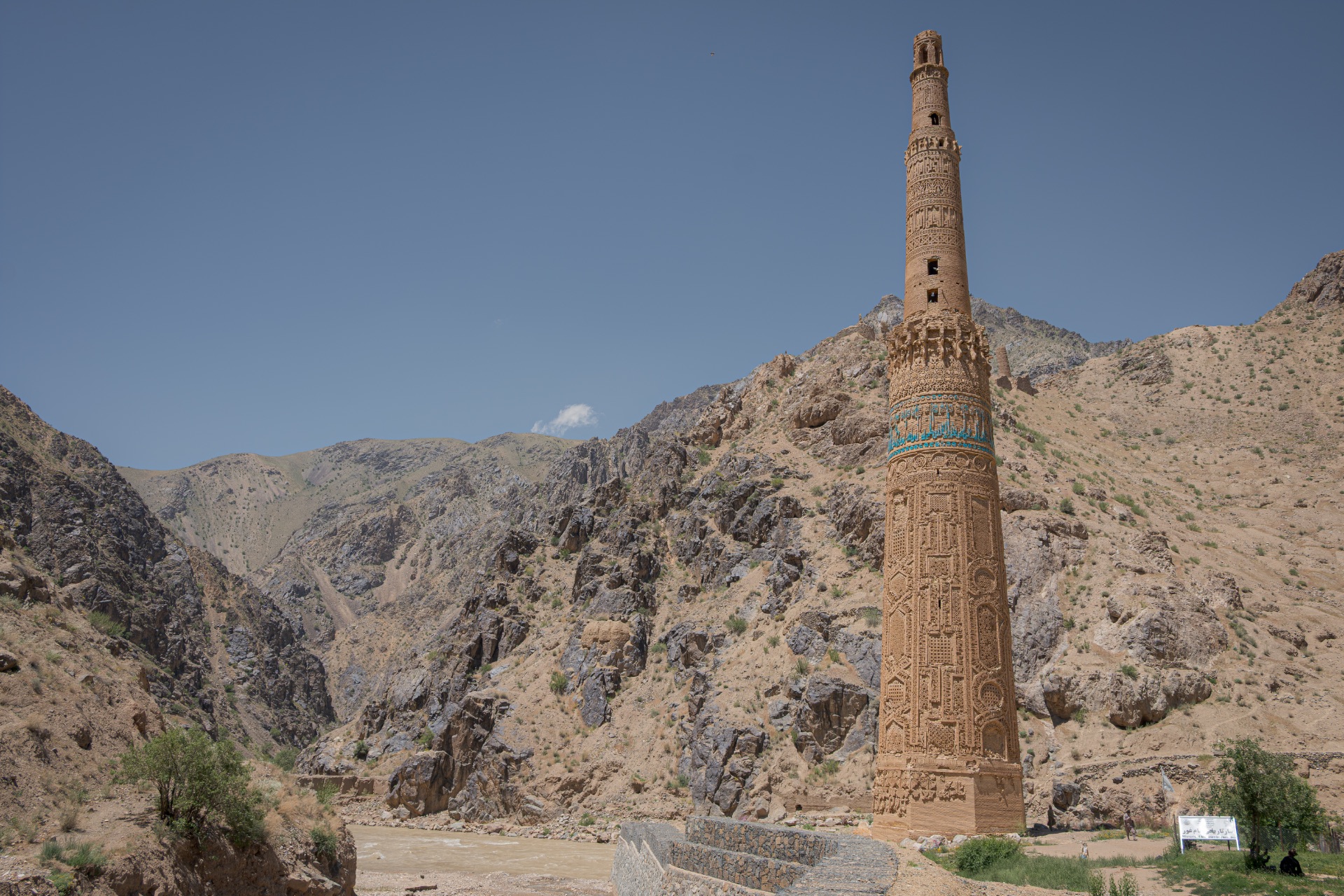
Rising from a remote valley in the mountains of Ghor, the Minaret of Jam is one of Afghanistan's most remarkable architectural treasures. Standing 65 metres high beside the Hari Rud, its slender form and intricate brick decoration seem almost impossibly delicate against the vast surrounding landscape.